
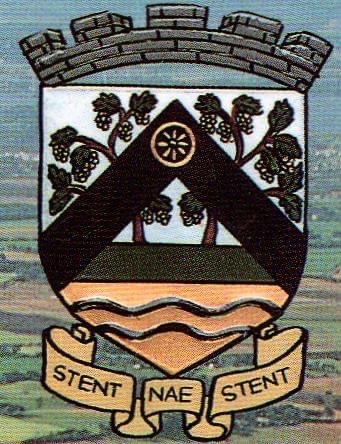
Our proud history dates back more than 135 years, when Cowdenbeath was first formed as a Burgh in 1890. Before that, farming and mining for iron ore were the main industries around the area, spread across 4 small districts, but with heavy industry came the discovery of coal in shallow seams throughout the town. This led to a huge boom in our population, with coal mines sunk here and throughout West Fife.
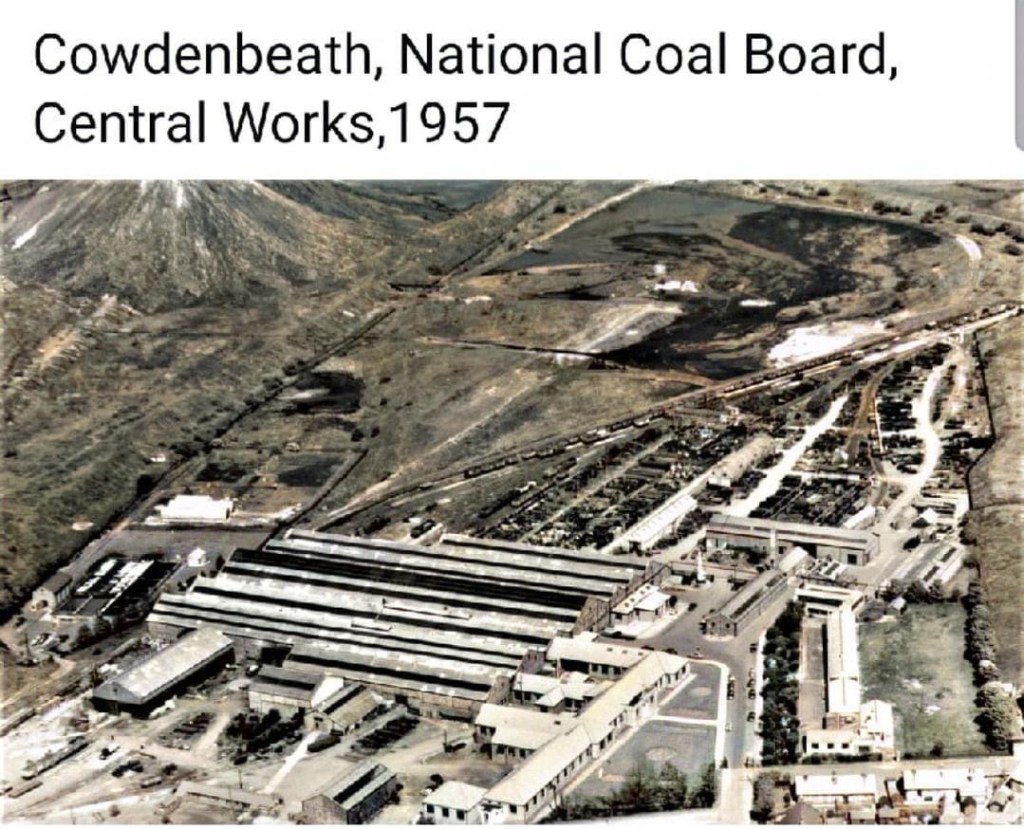
By 1960 most of the local pits had closed but our attachment to mining continued through the NCB Workshops in Thistle Street and the Mining School on Broad Street. Many Cowdenbeath sons worked as miners until the mid-late 1980s.
Cowdenbeath’s community spirit has seen us through many challenges, from war to strikes and now a global pandemic. Looking out for your neighbours, friends and colleagues is still in our blood and we’re always proud of our roots.
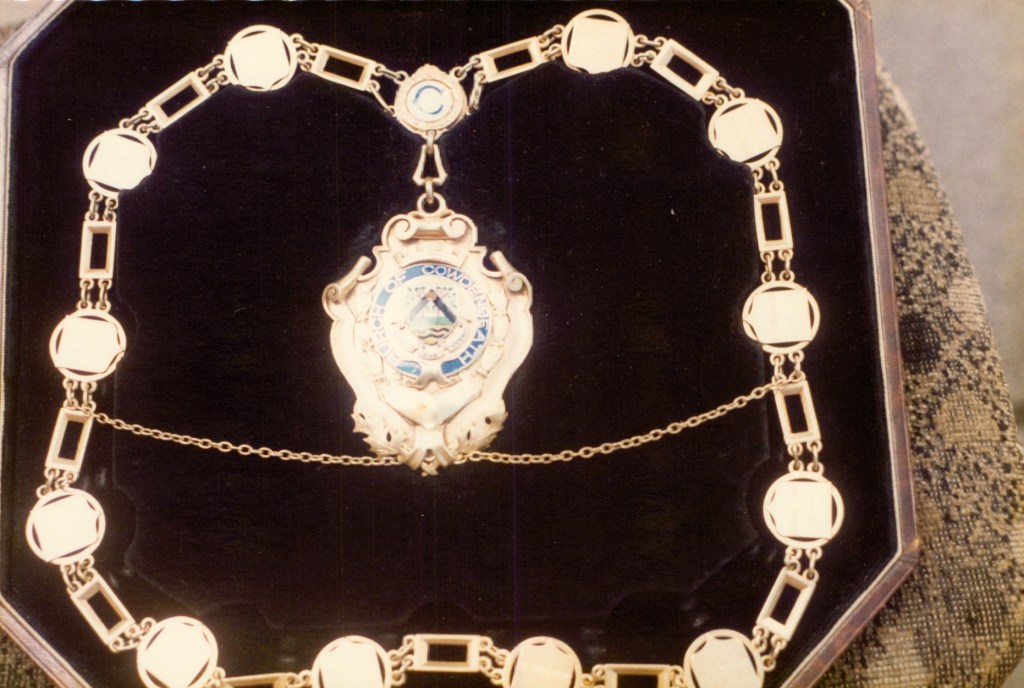
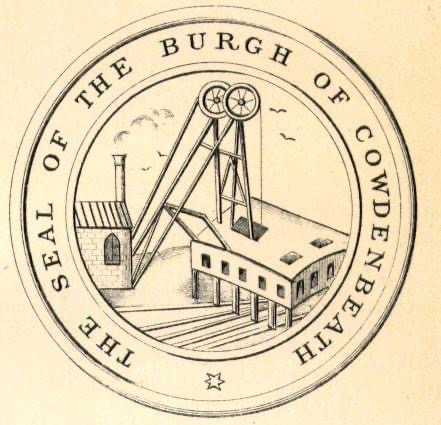
Provost Chains
(image credit: Alex Haddow)


Cowdenbeath Stories
A series of excellent short films about Cowdenbeath, its history and its people, developed by Cowdenbeath Community Council and Anim8. Click on the image below to explore 12 short stories on the history of our wee toon!

Broad Street Centre Legacy Project
In 2018, after nearly 40 years serving Cowdenbeath as its main community centre, the Broad Street Centre closed its doors for the final time, before its demolition shortly after.
The community centre had a long and proud history of service, once the gymnasium for the Fife Mining School next door, the gym had originally been eyed for demolition in the 1970’s after the mining school had long closed, but Councillor Tom Dair and community worker Tom Bain saved the site, which became a community hub for generations to come!
This short video captured some of the stories from those involved in the Centre, produced by the Broad Street Legacy Group, formed to help celebrate the unique contribution the Centre and its people had made over the years. The film was produced by Edinburgh-based award-winning filmmaker, Stu Edwards.
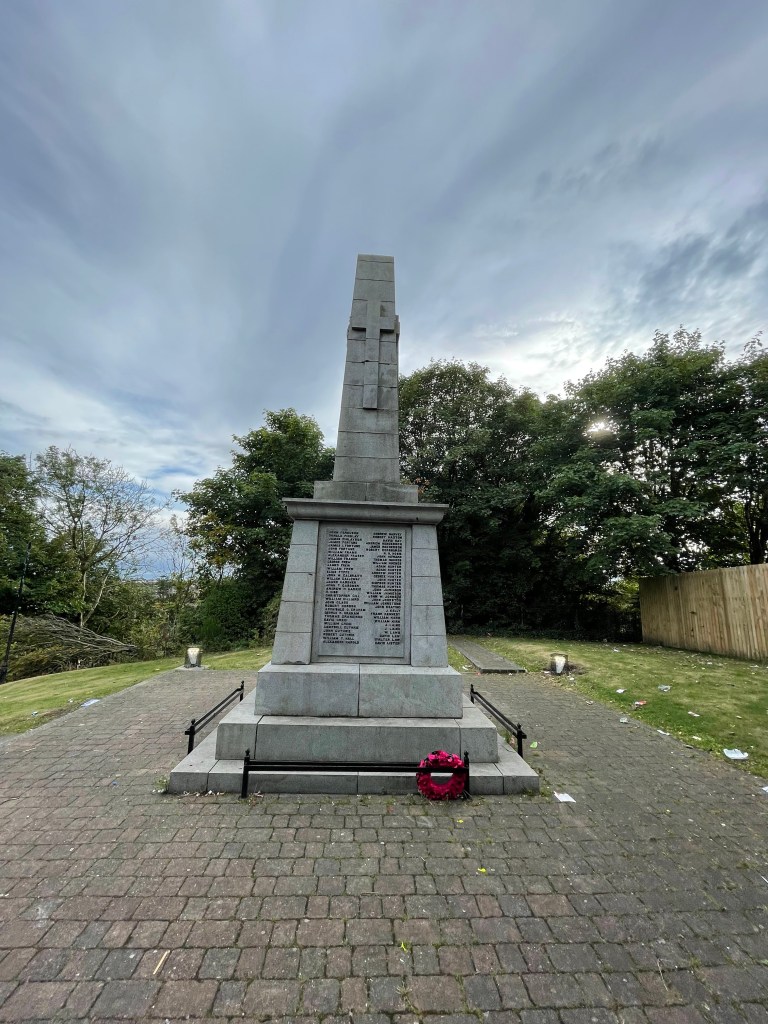
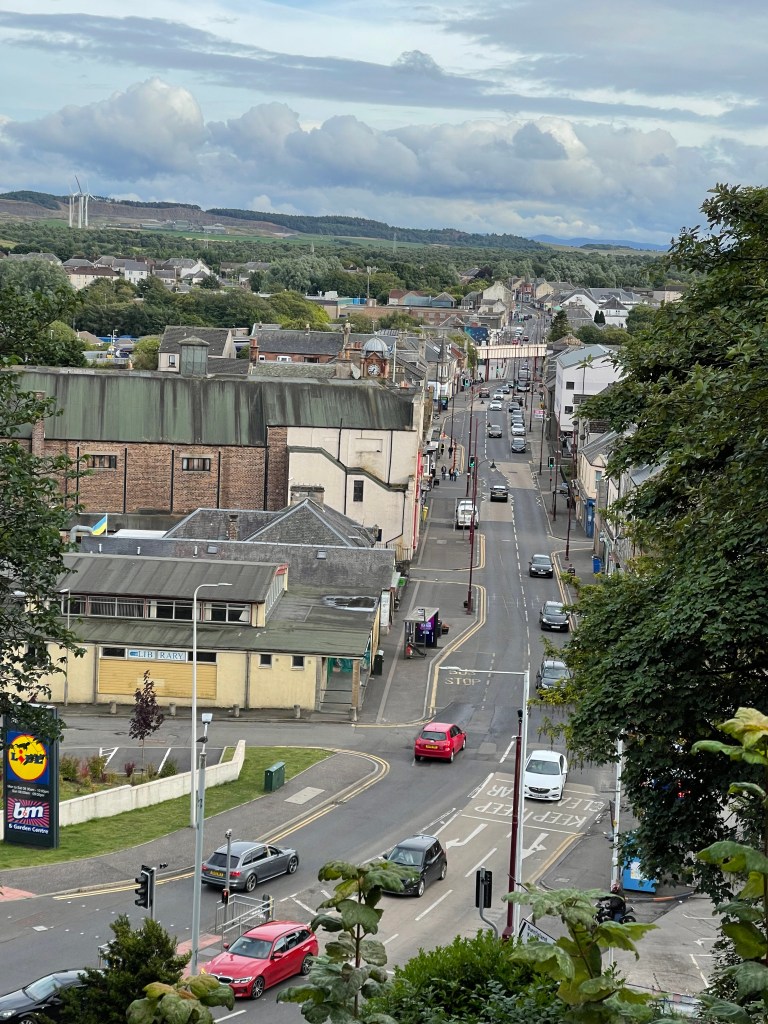
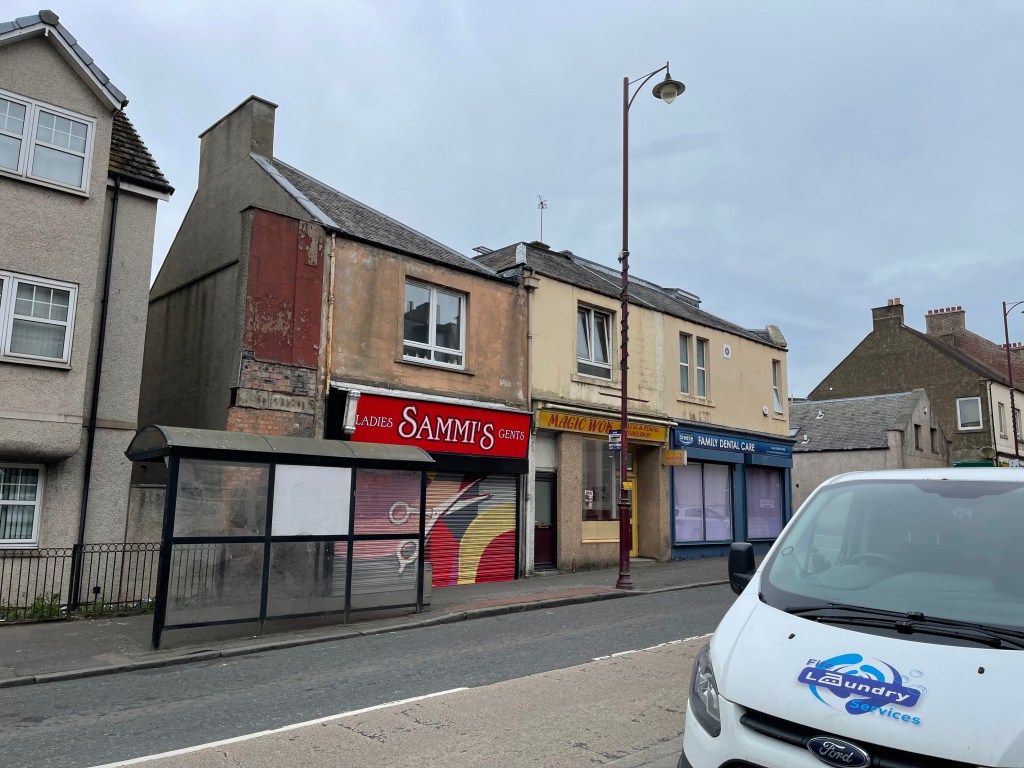
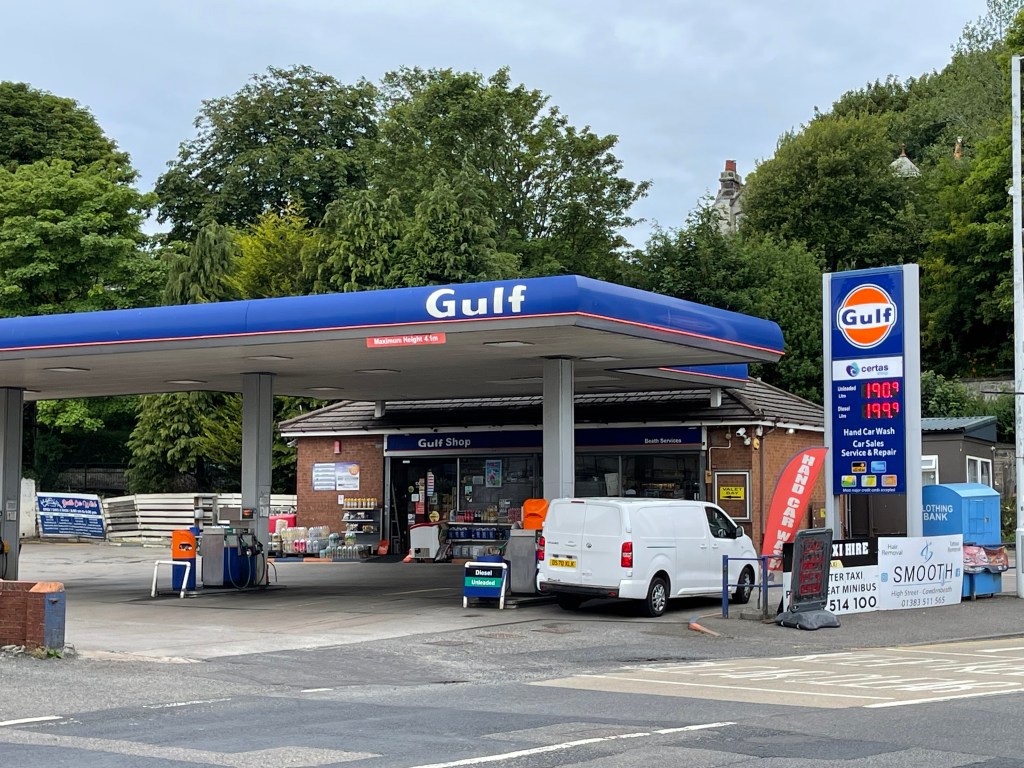
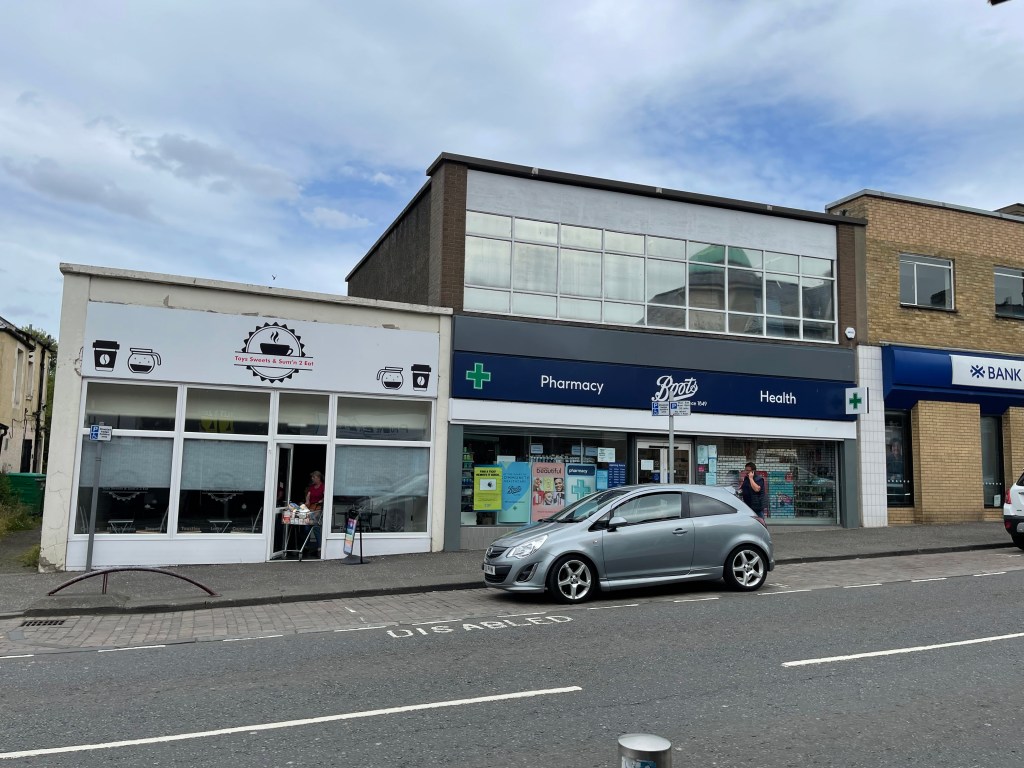
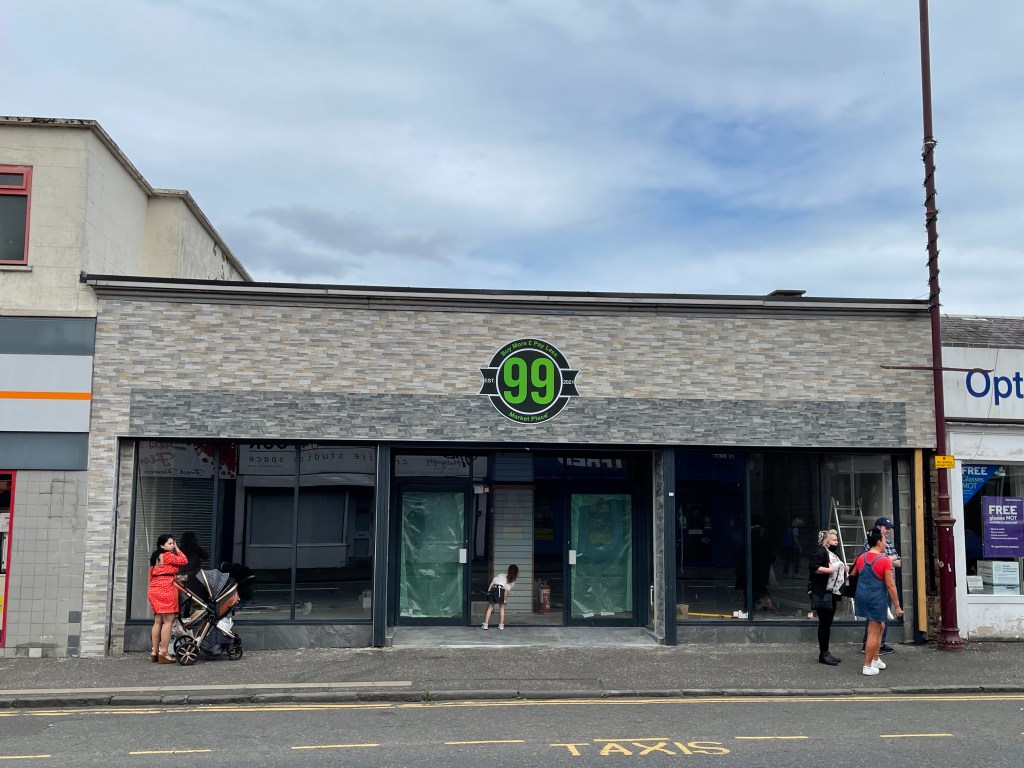
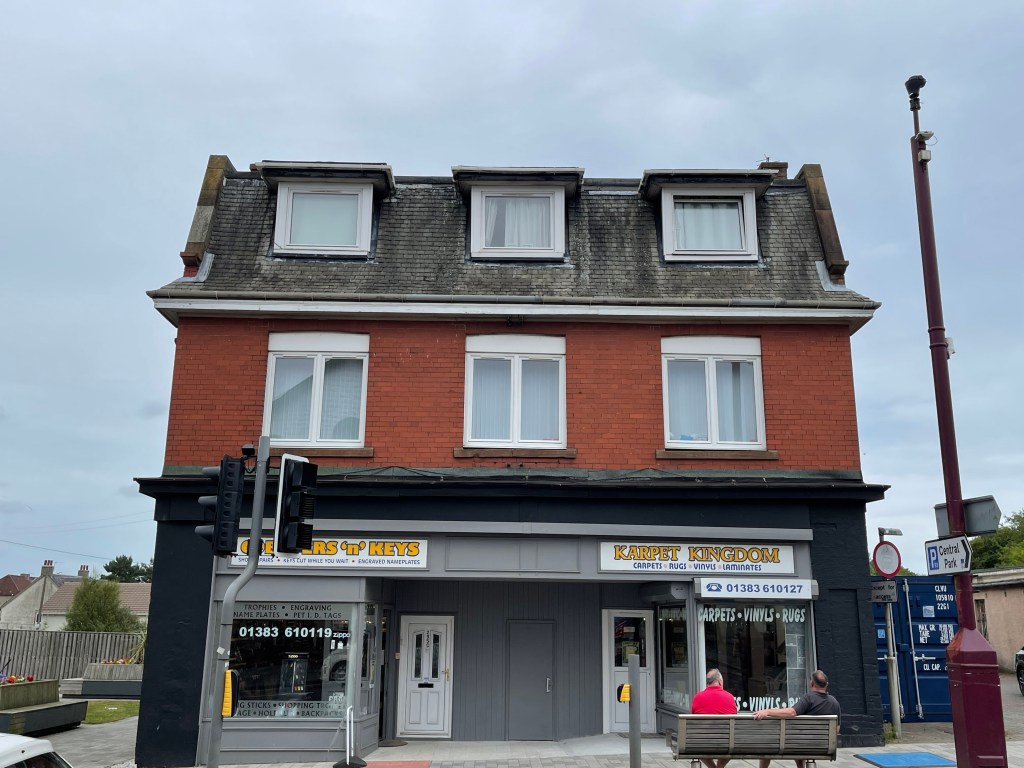
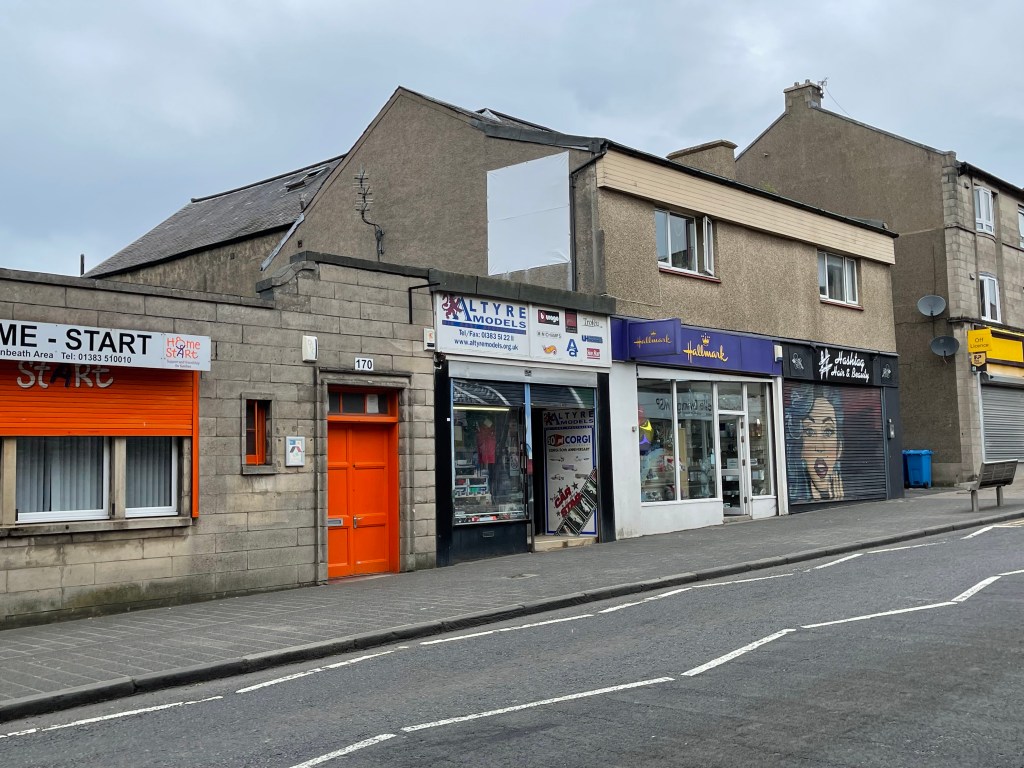
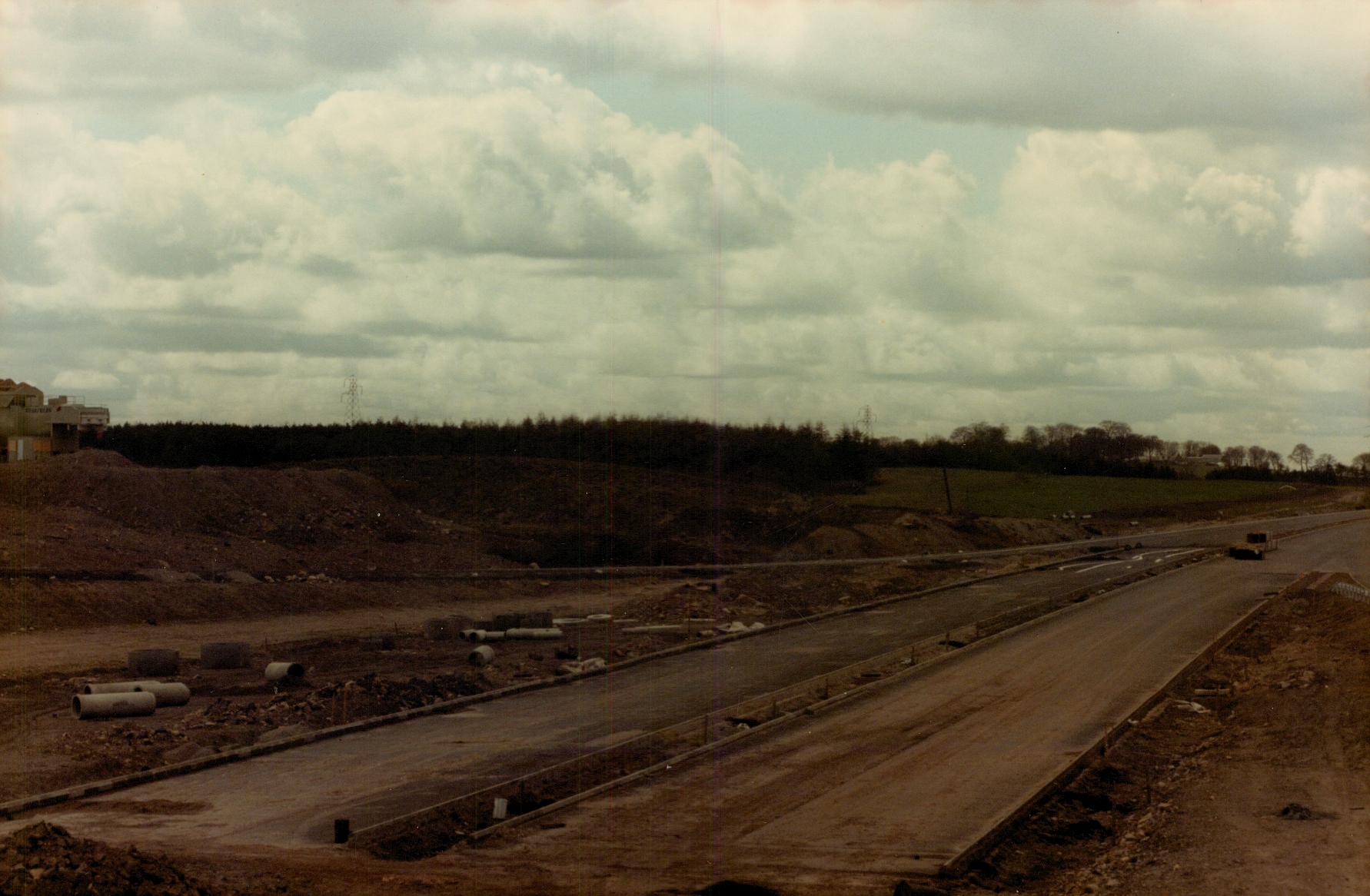
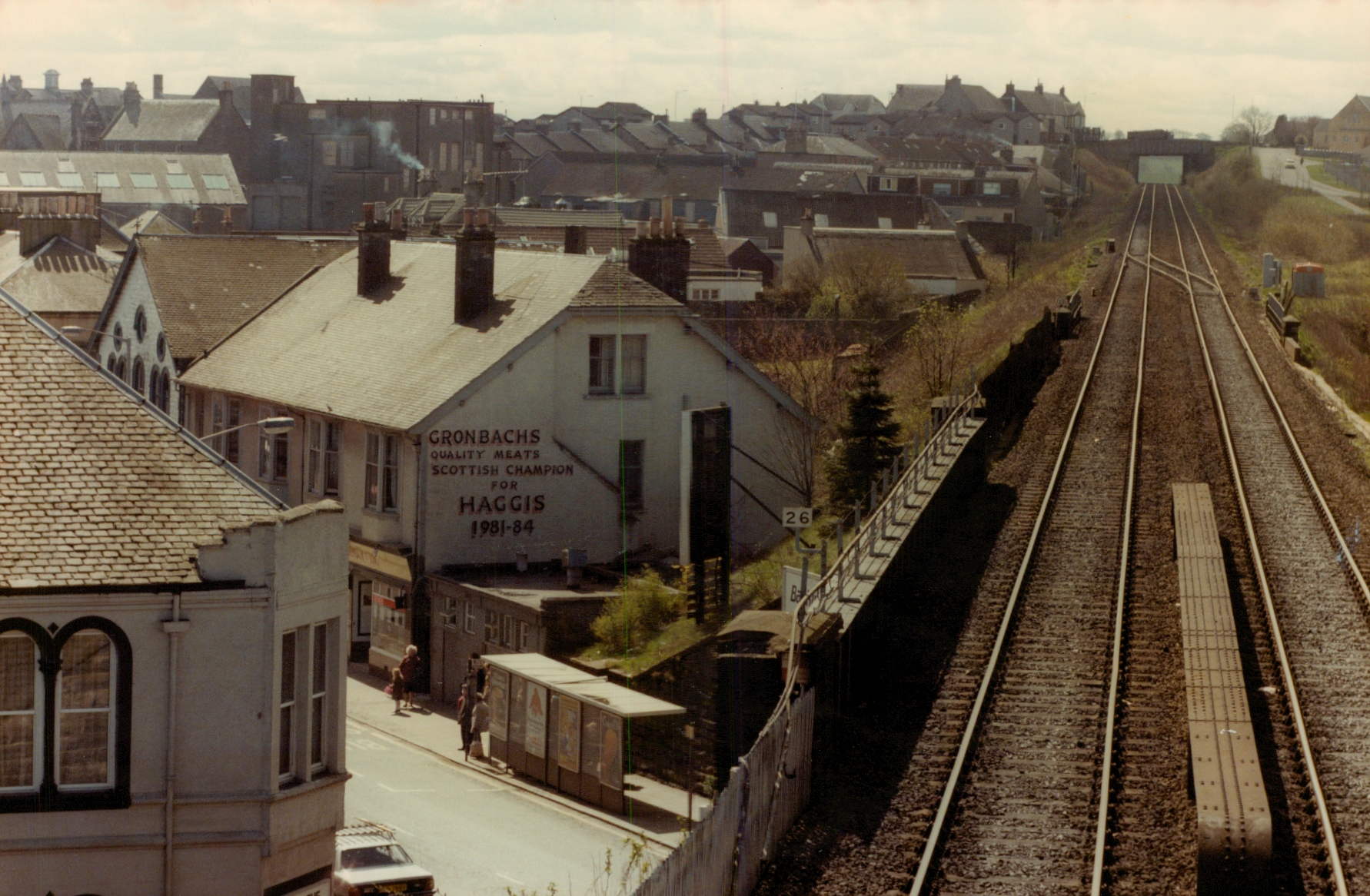
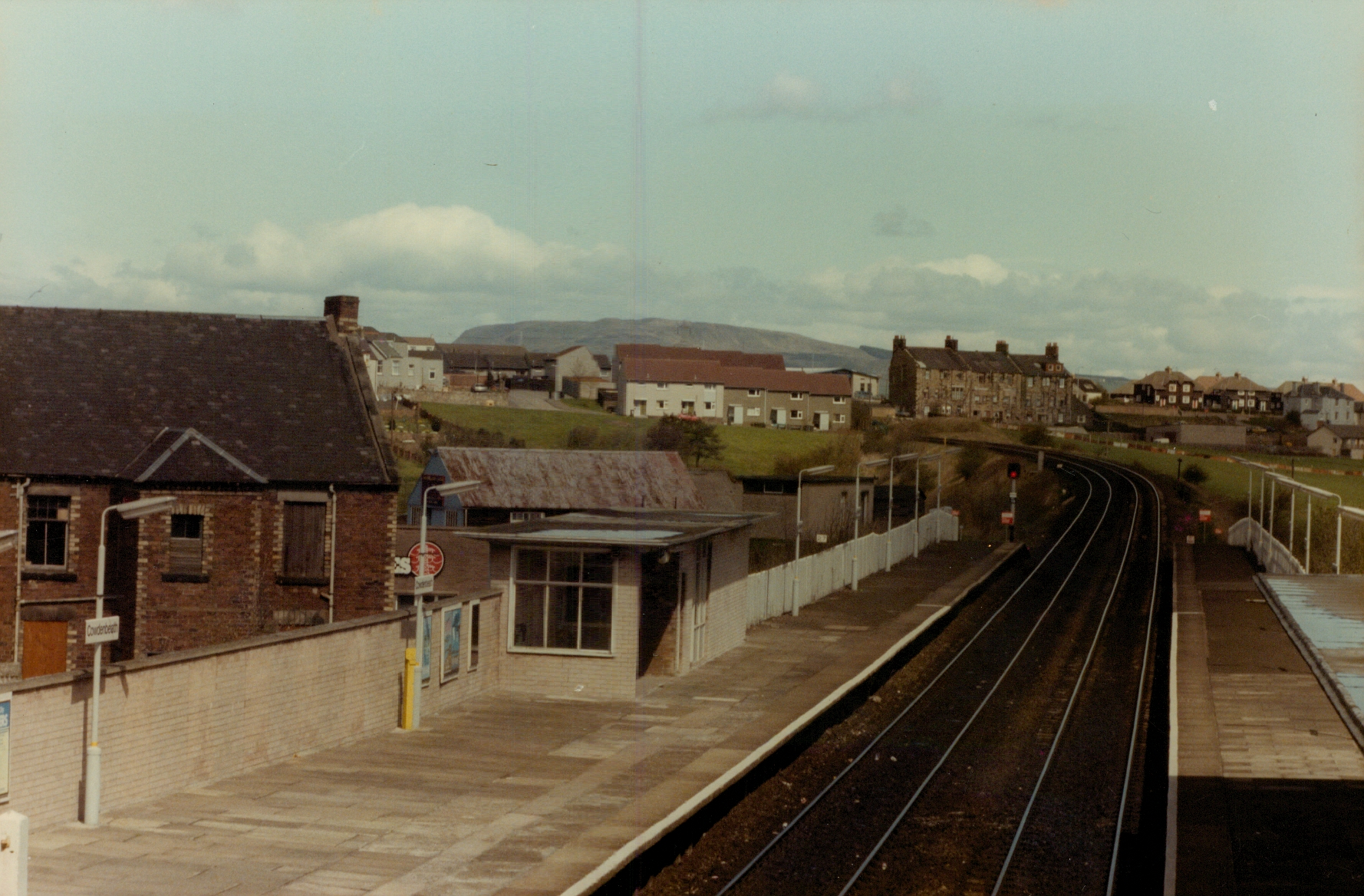
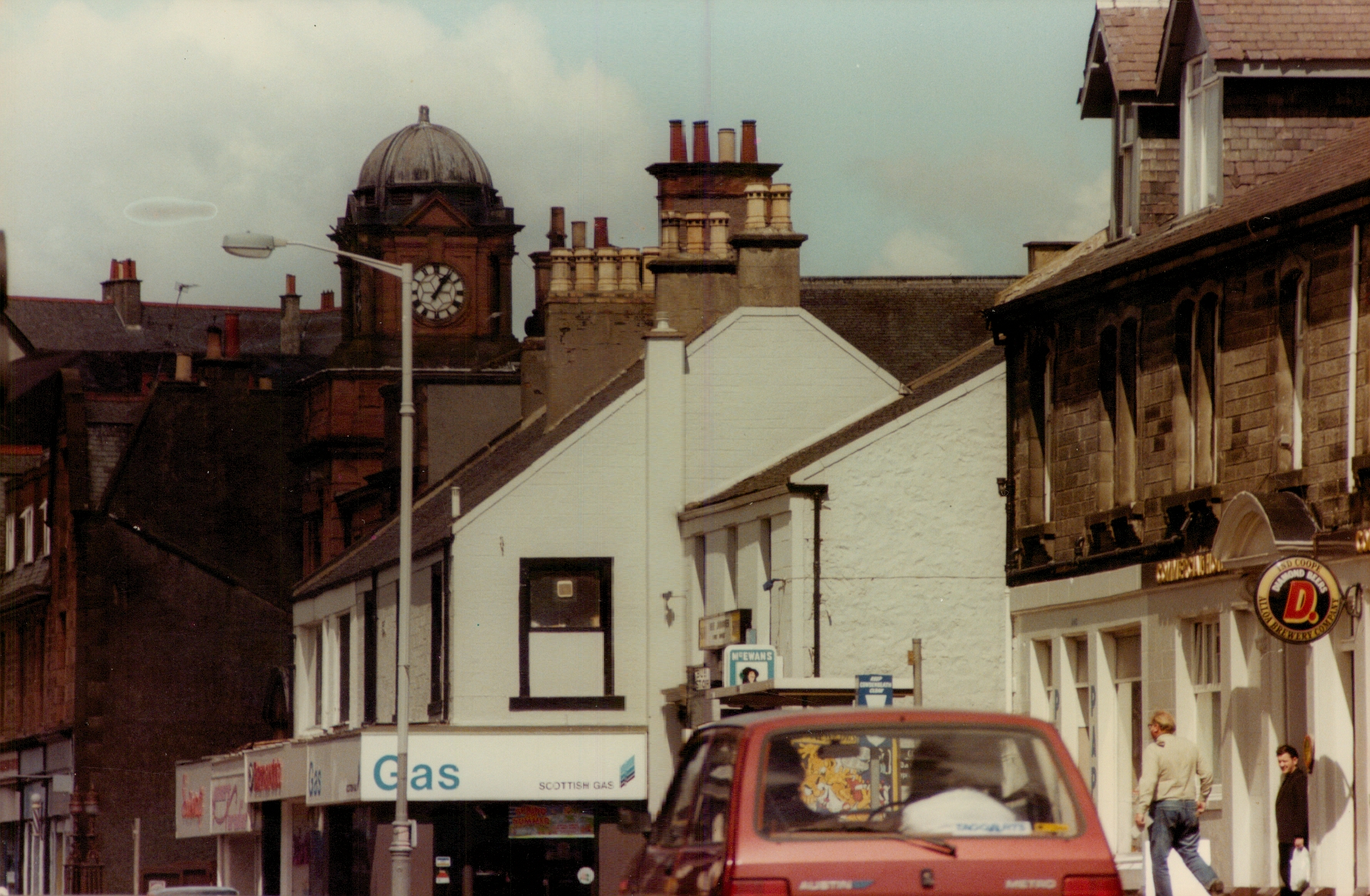
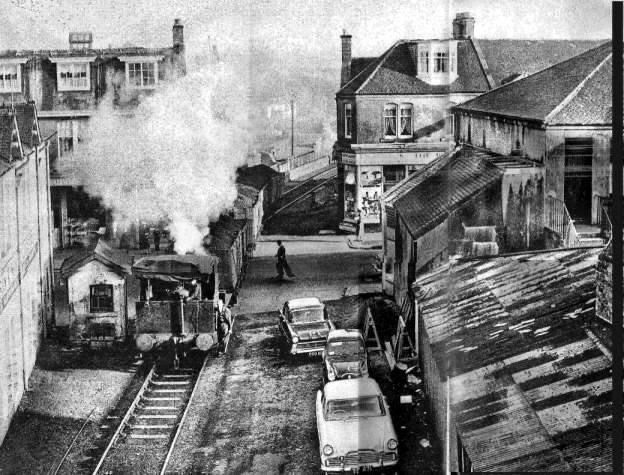
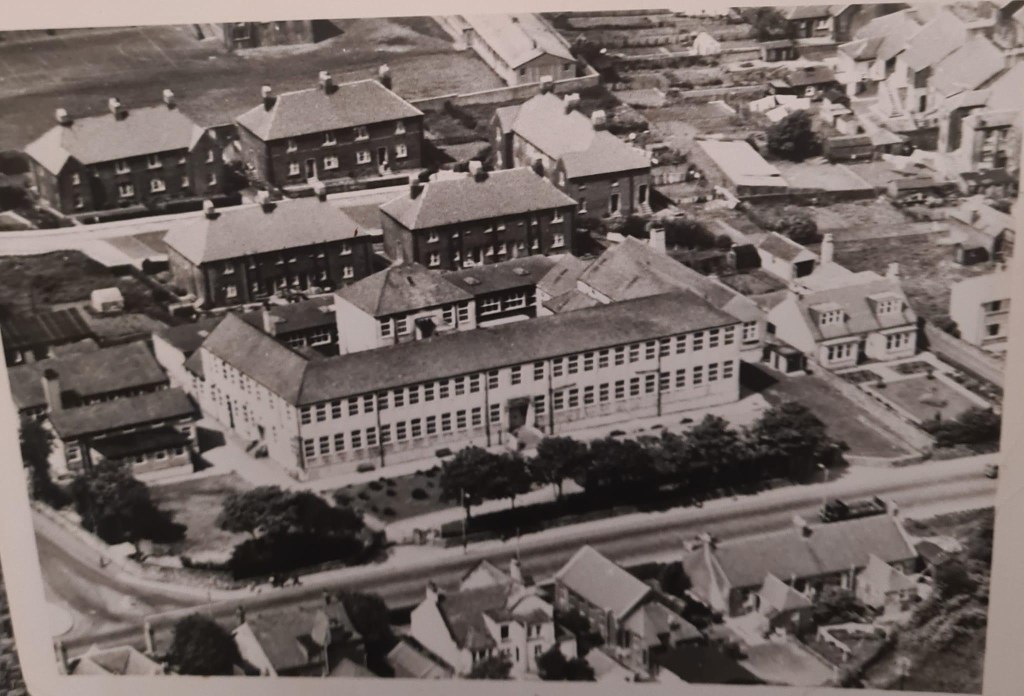
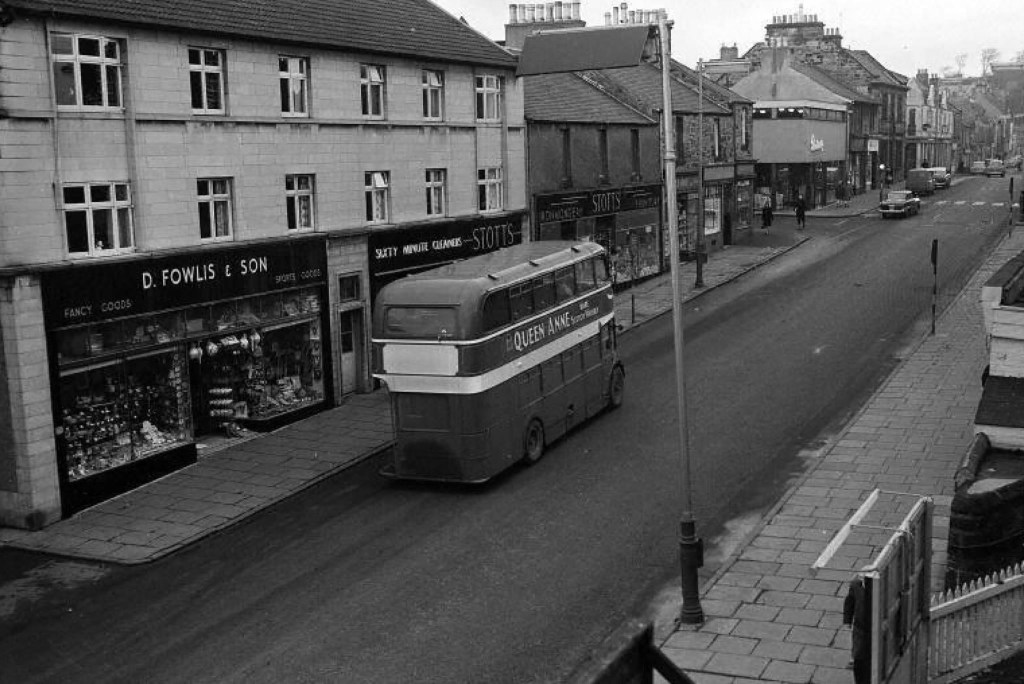
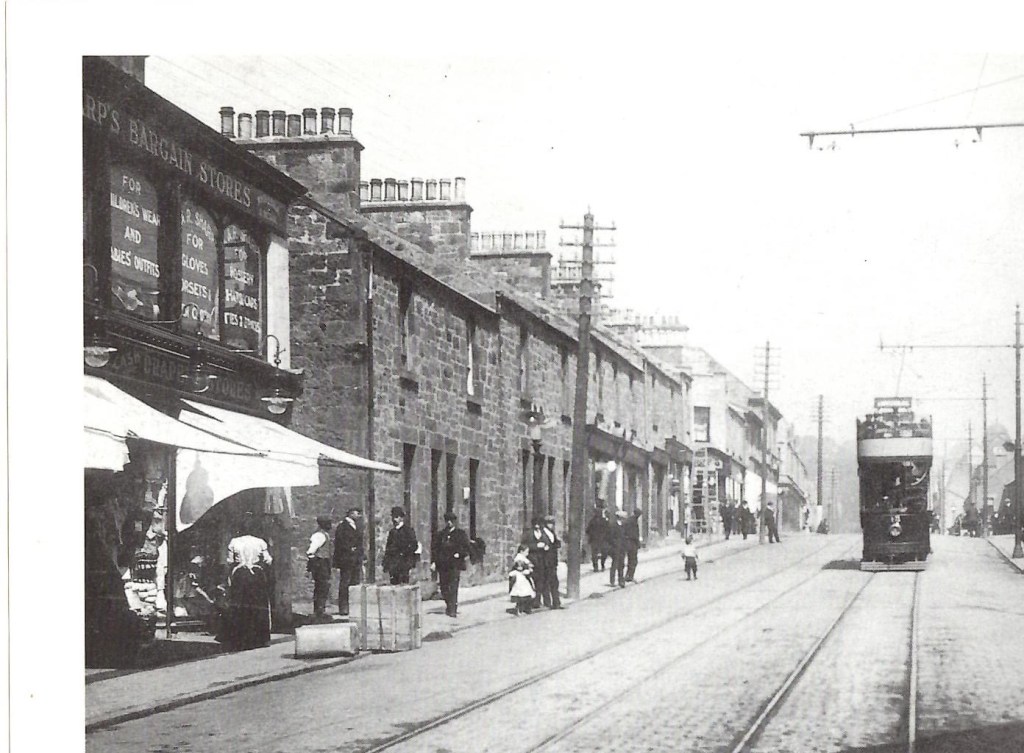
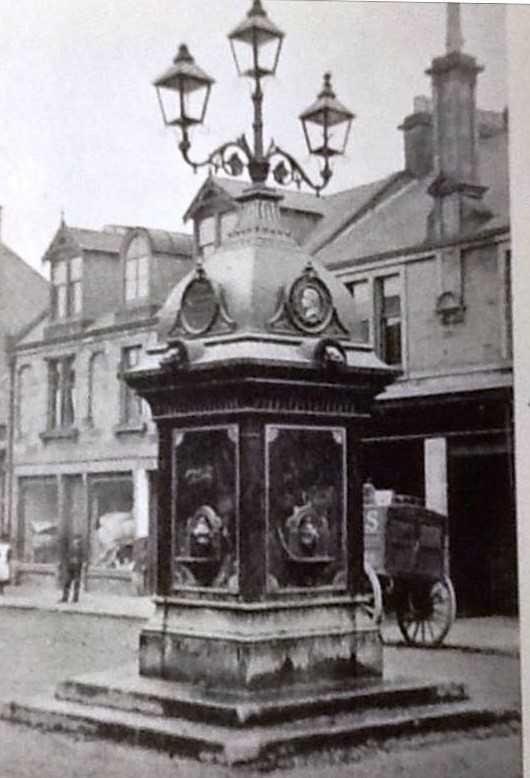
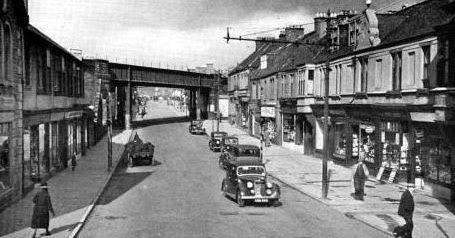
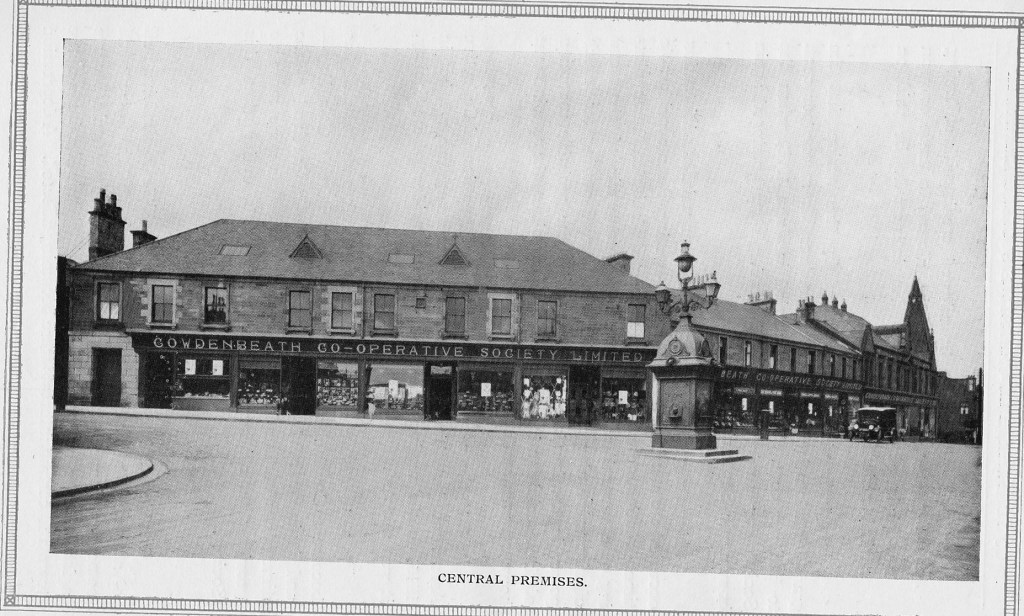
Our Changing Town in Pictures
Cowdenbeath from above (2023)
(image credit: Mack Drone Ltd)
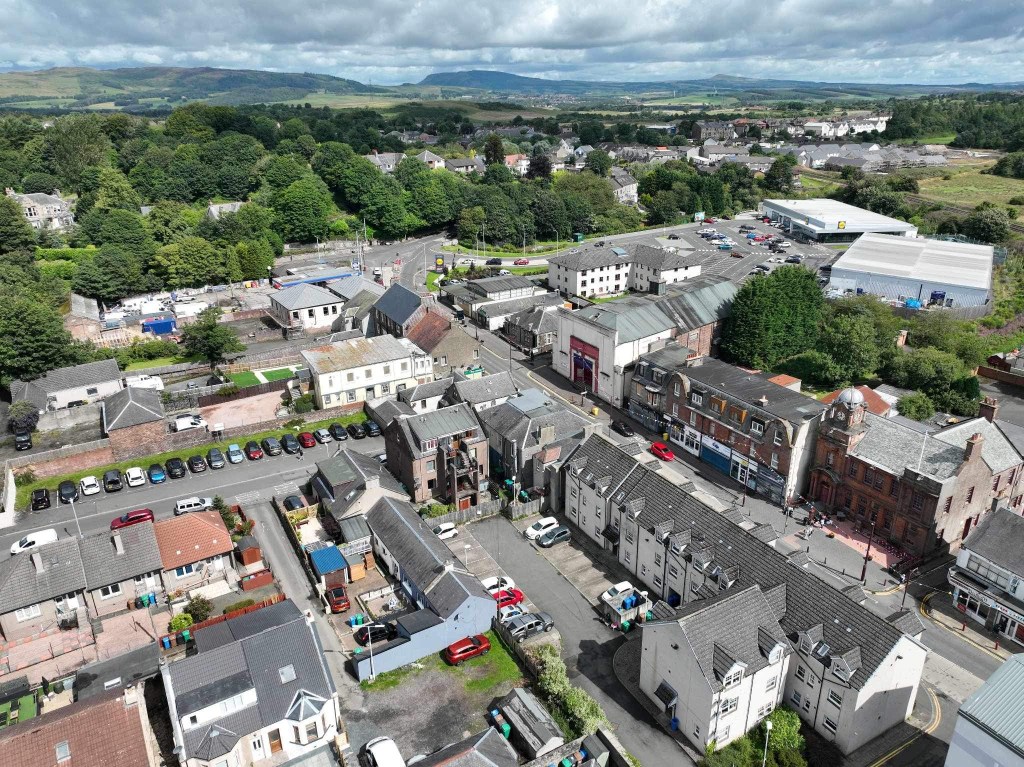

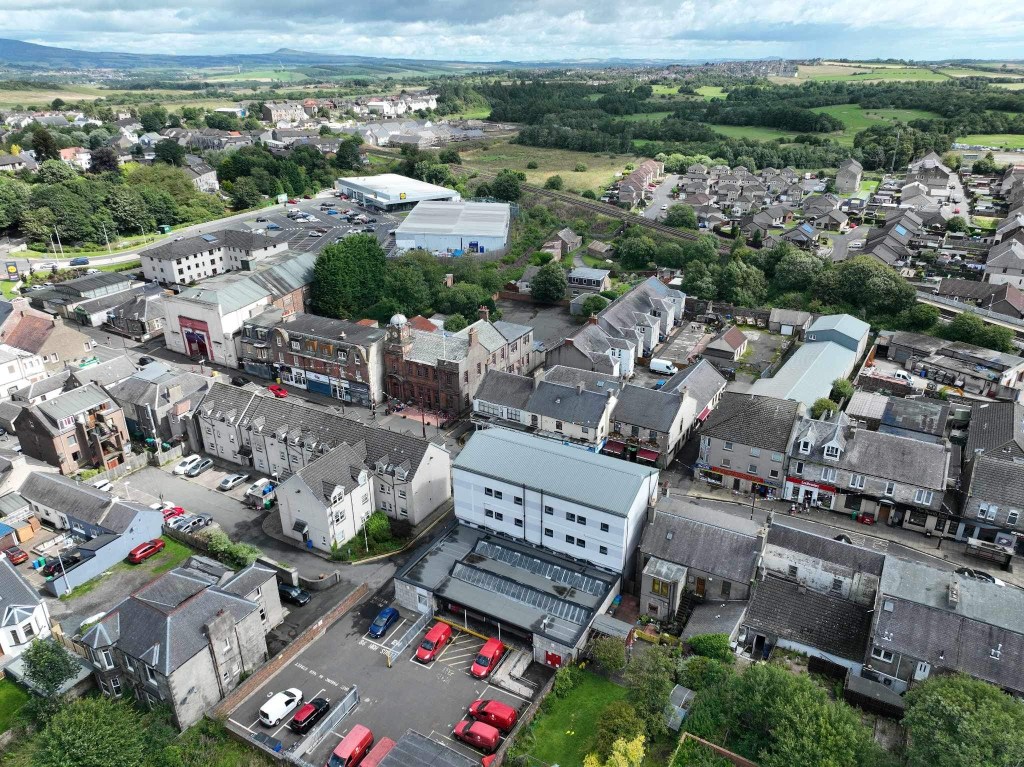


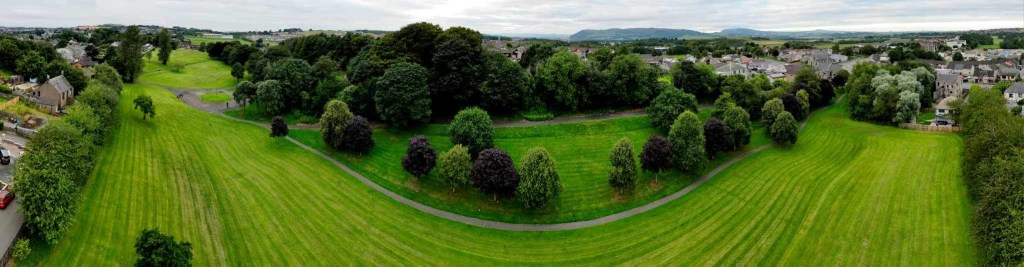
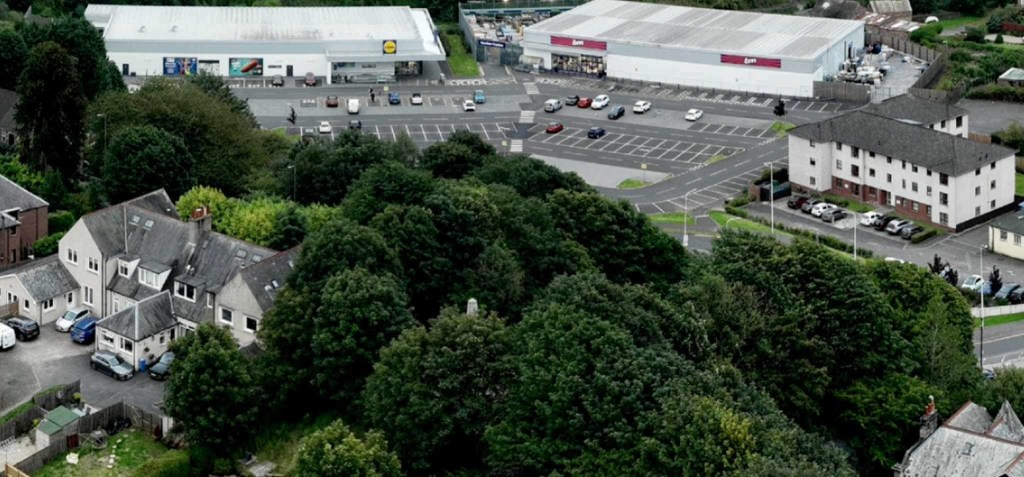


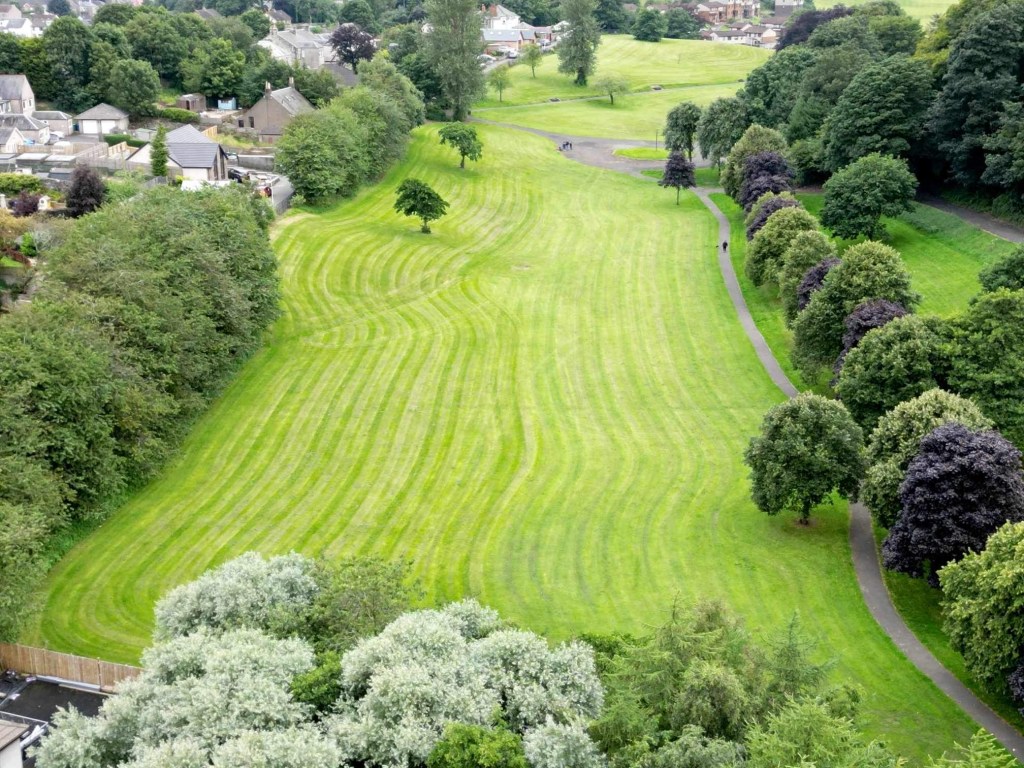
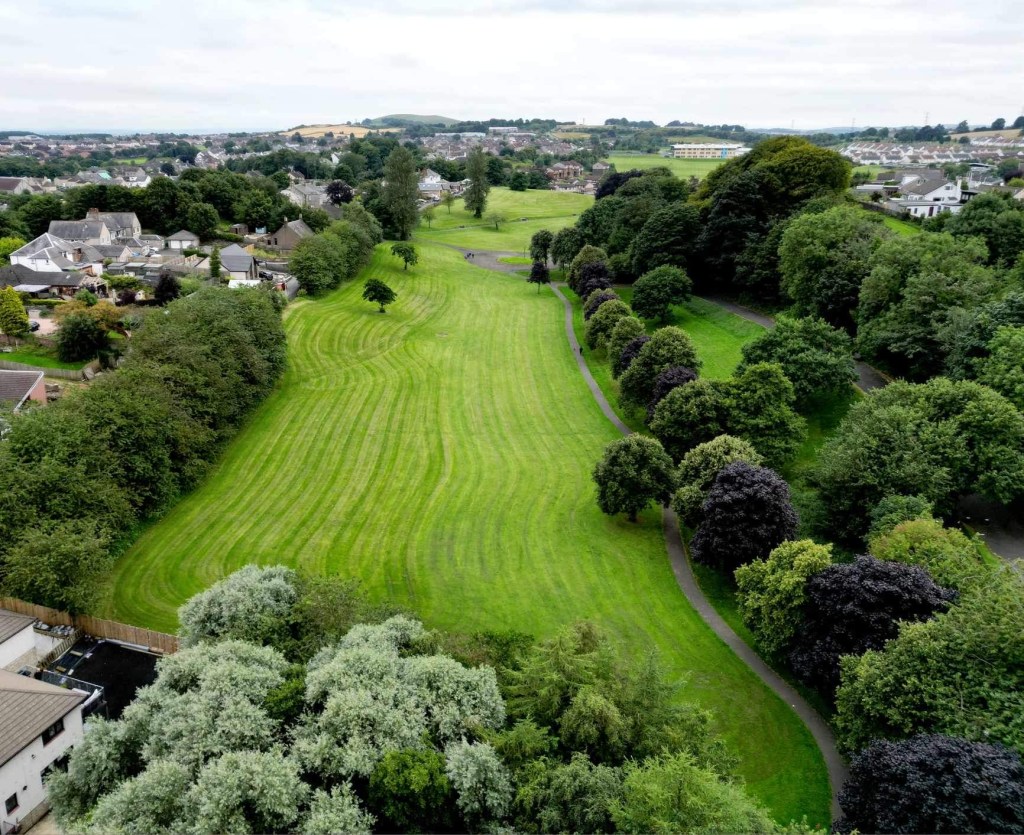

Cowdenbeath in 2023
(image credit: Stuart Duffy)




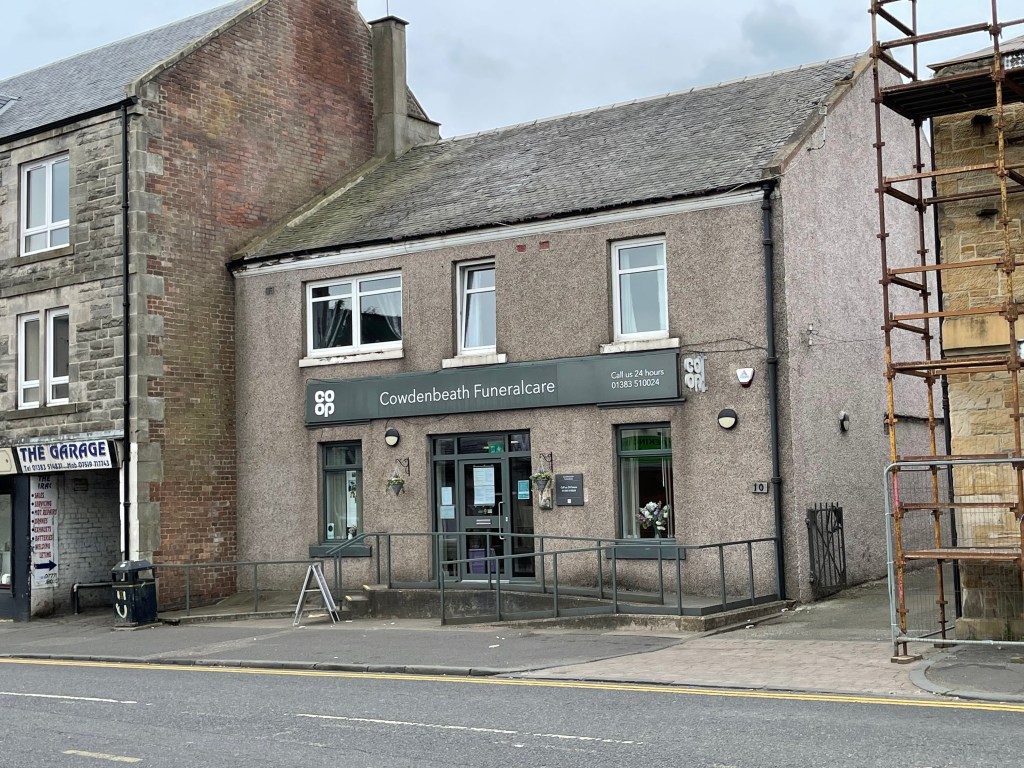

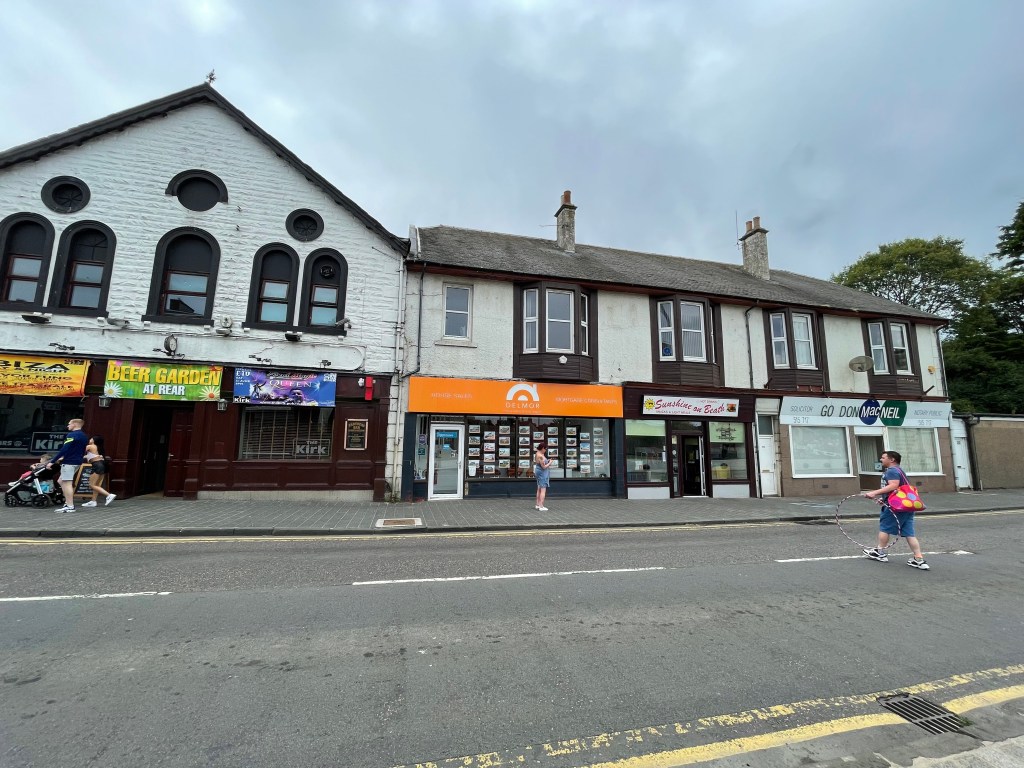



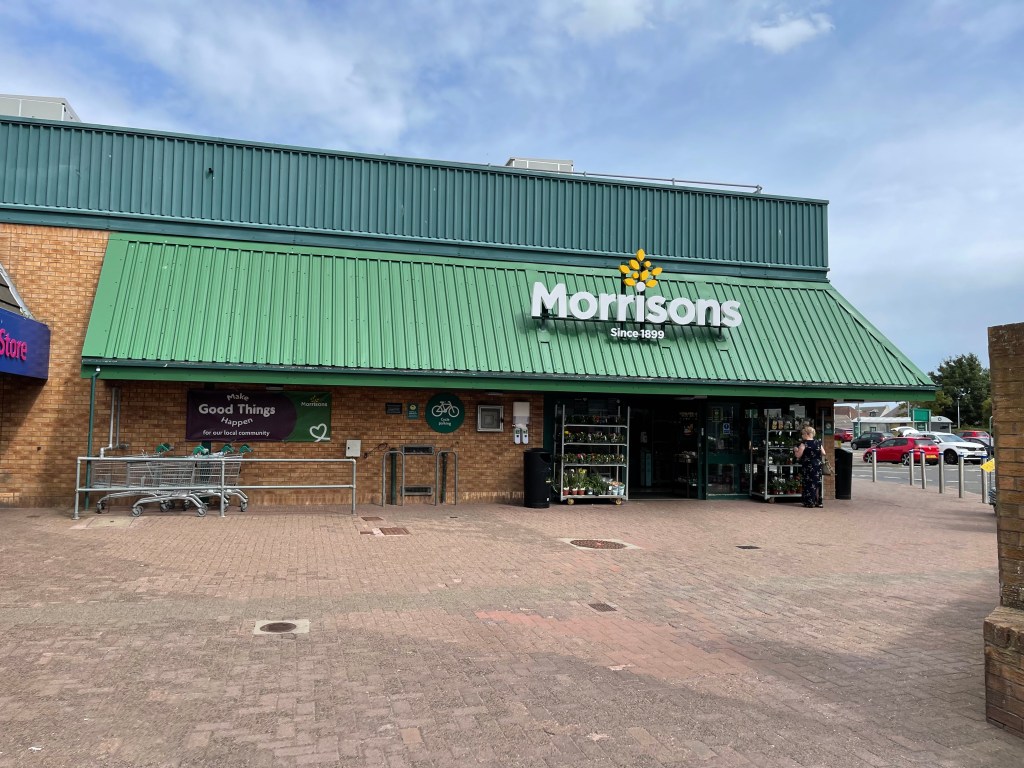
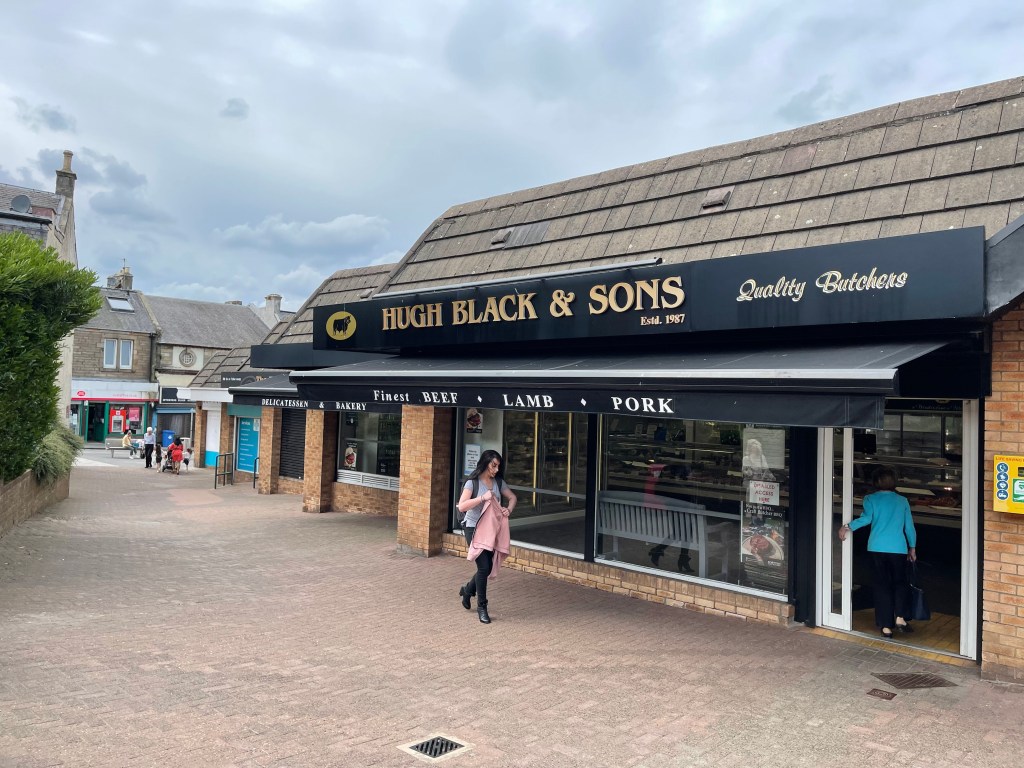
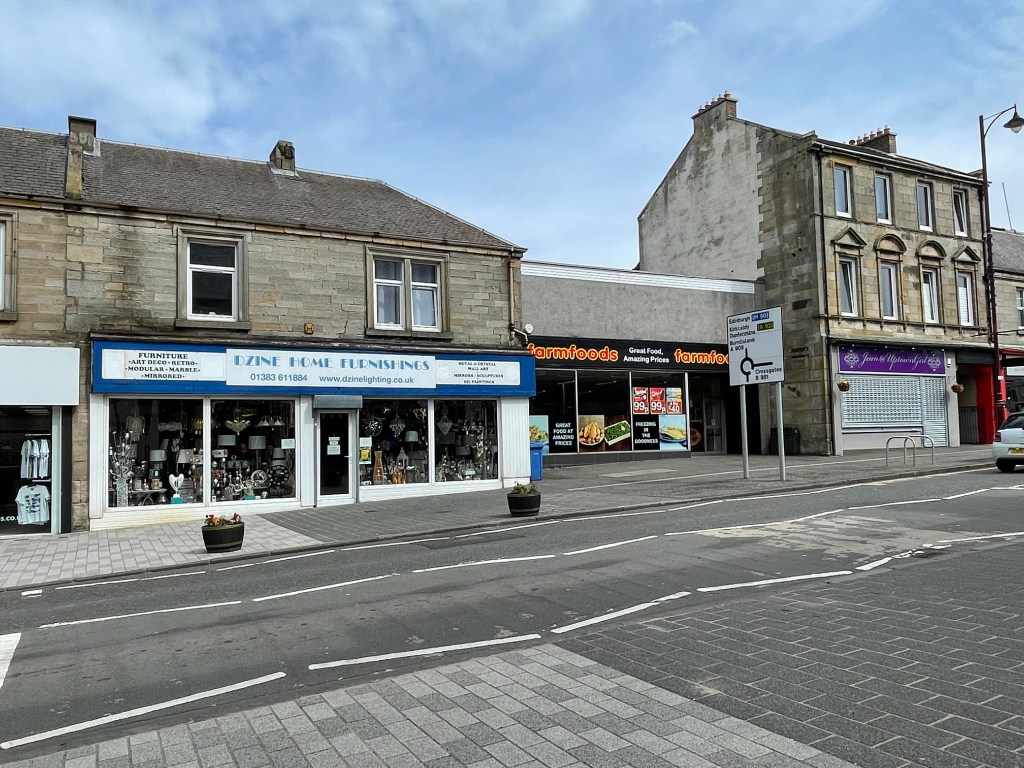

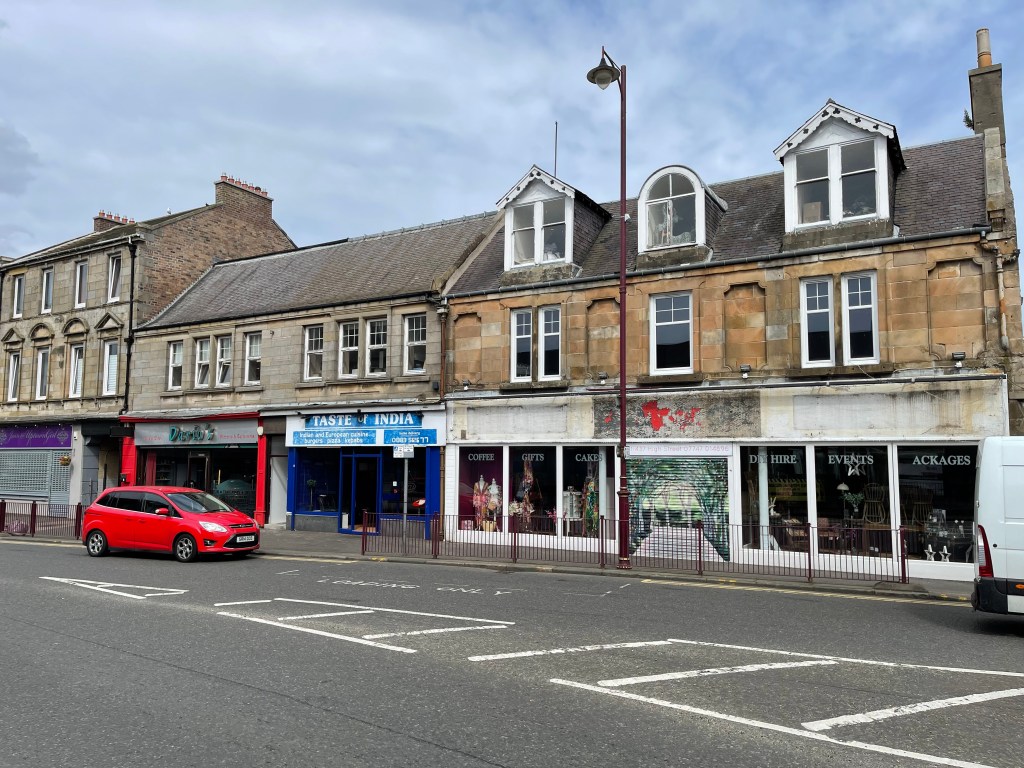


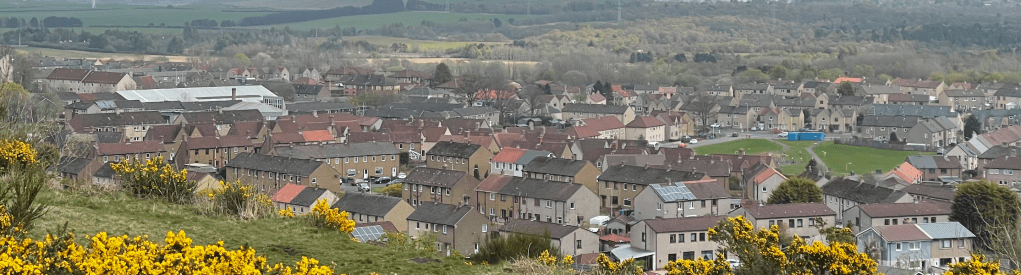
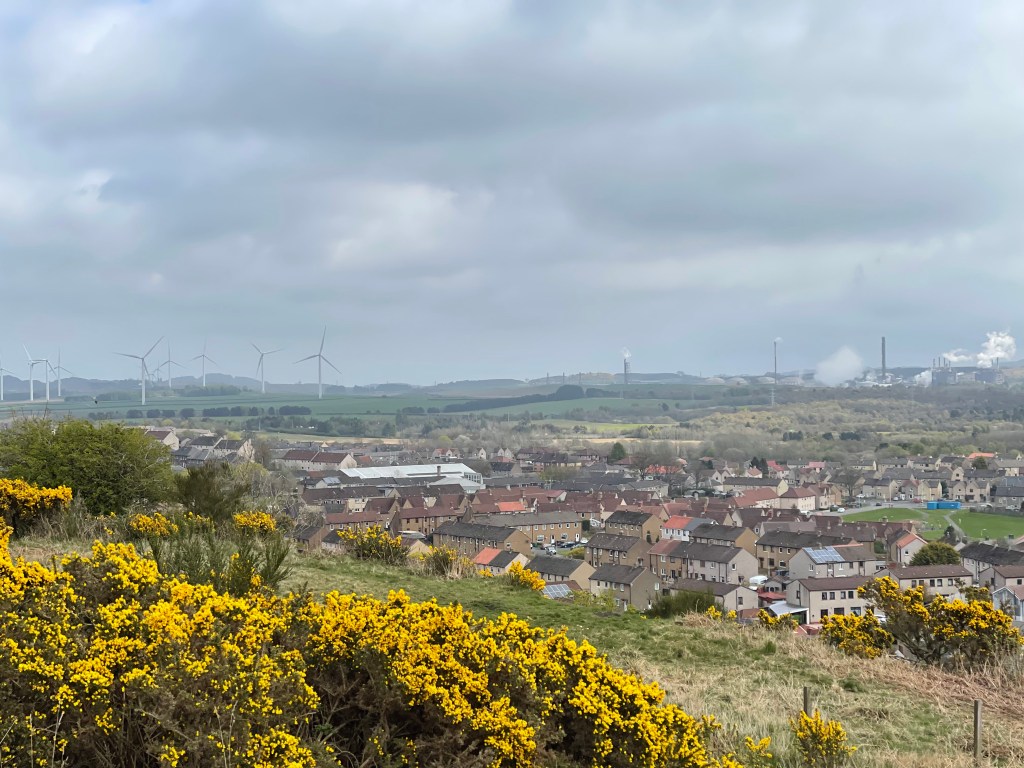


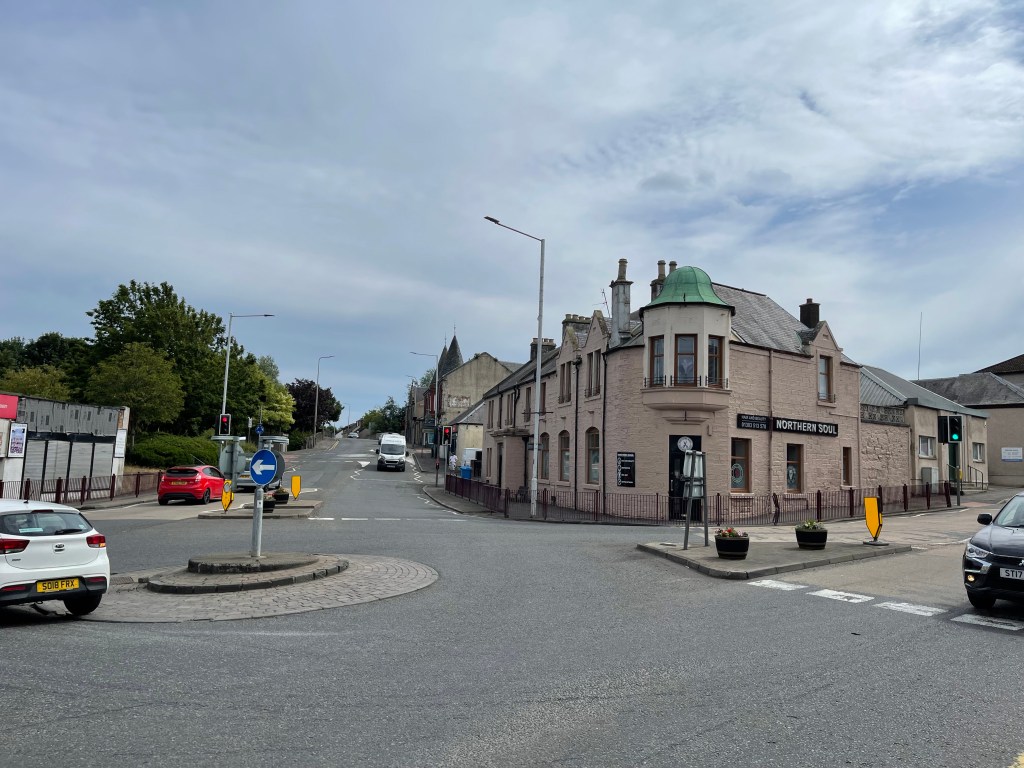
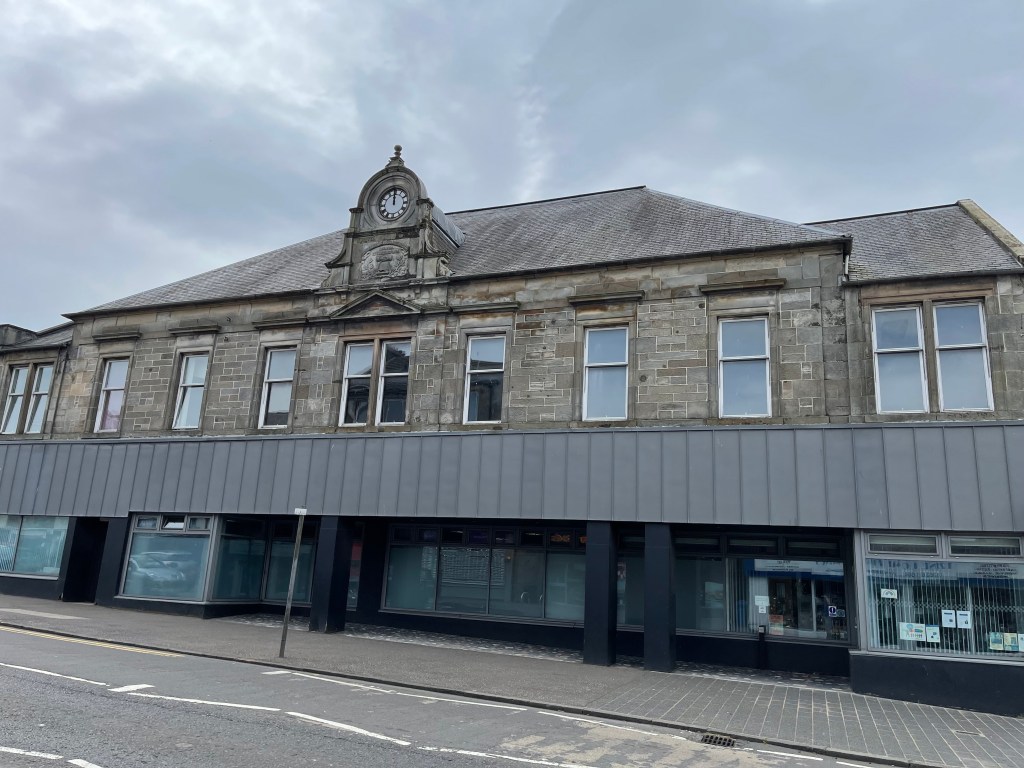




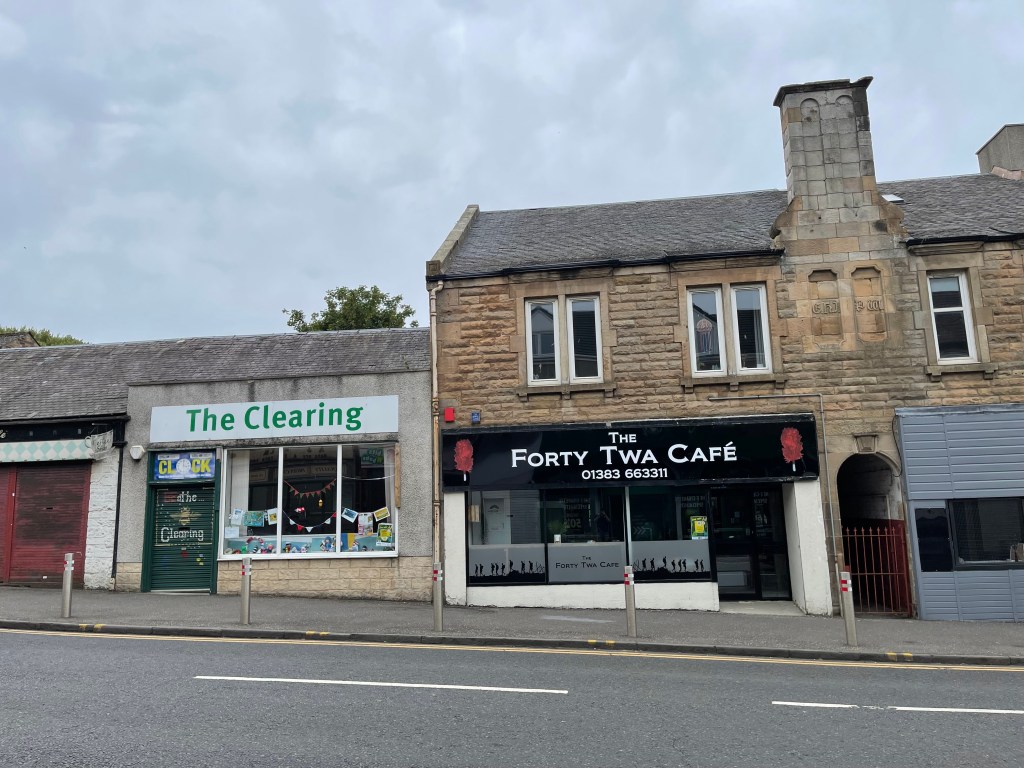


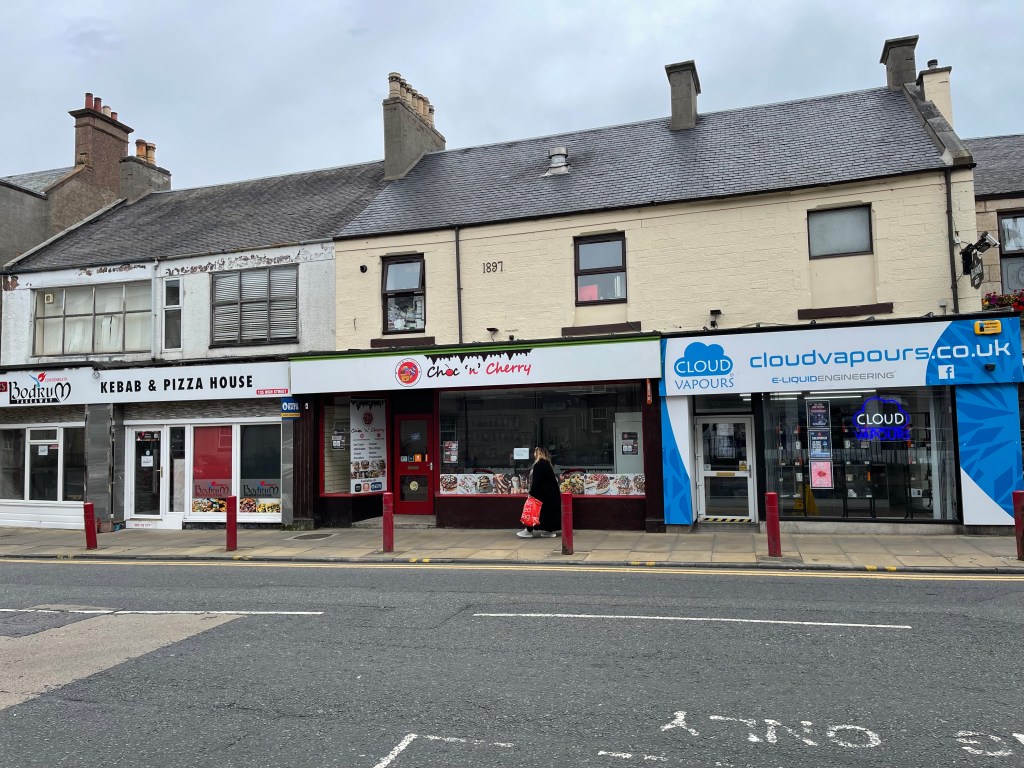


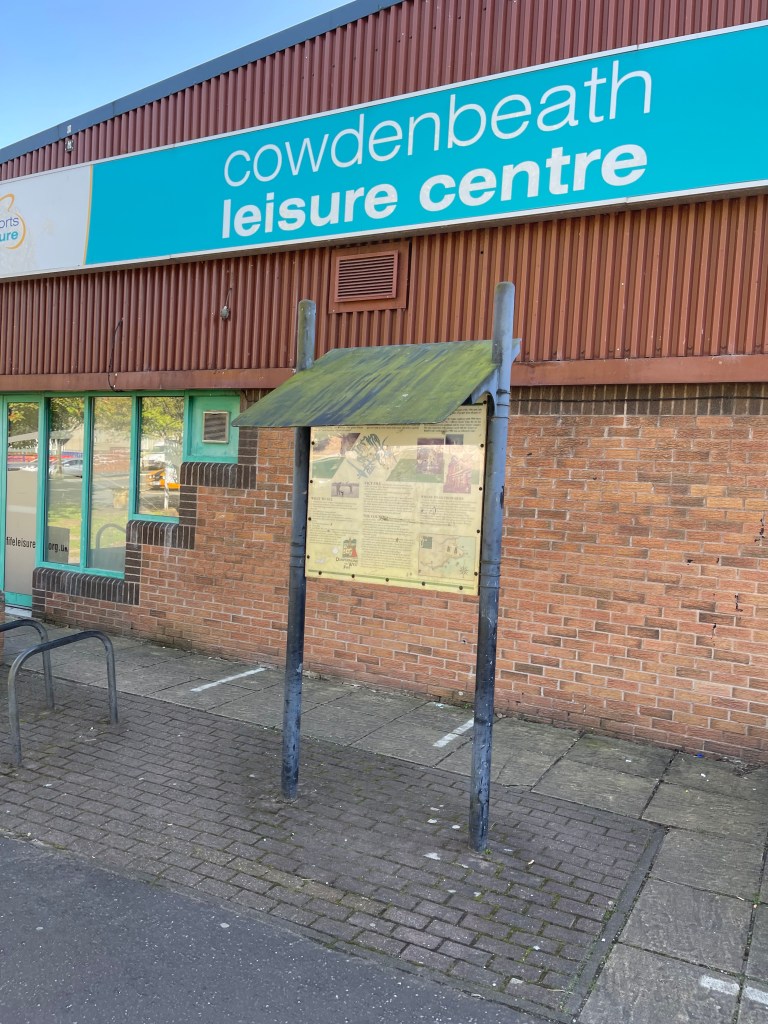

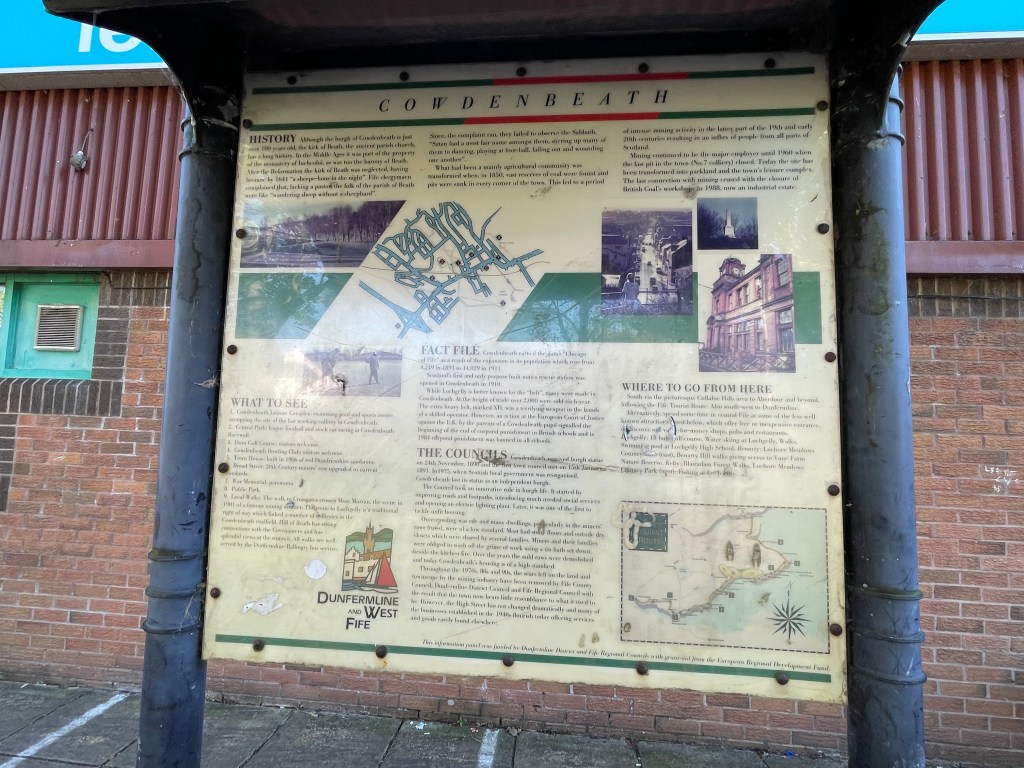


Cowdenbeath in 1985
(image credit: Alex Haddow)
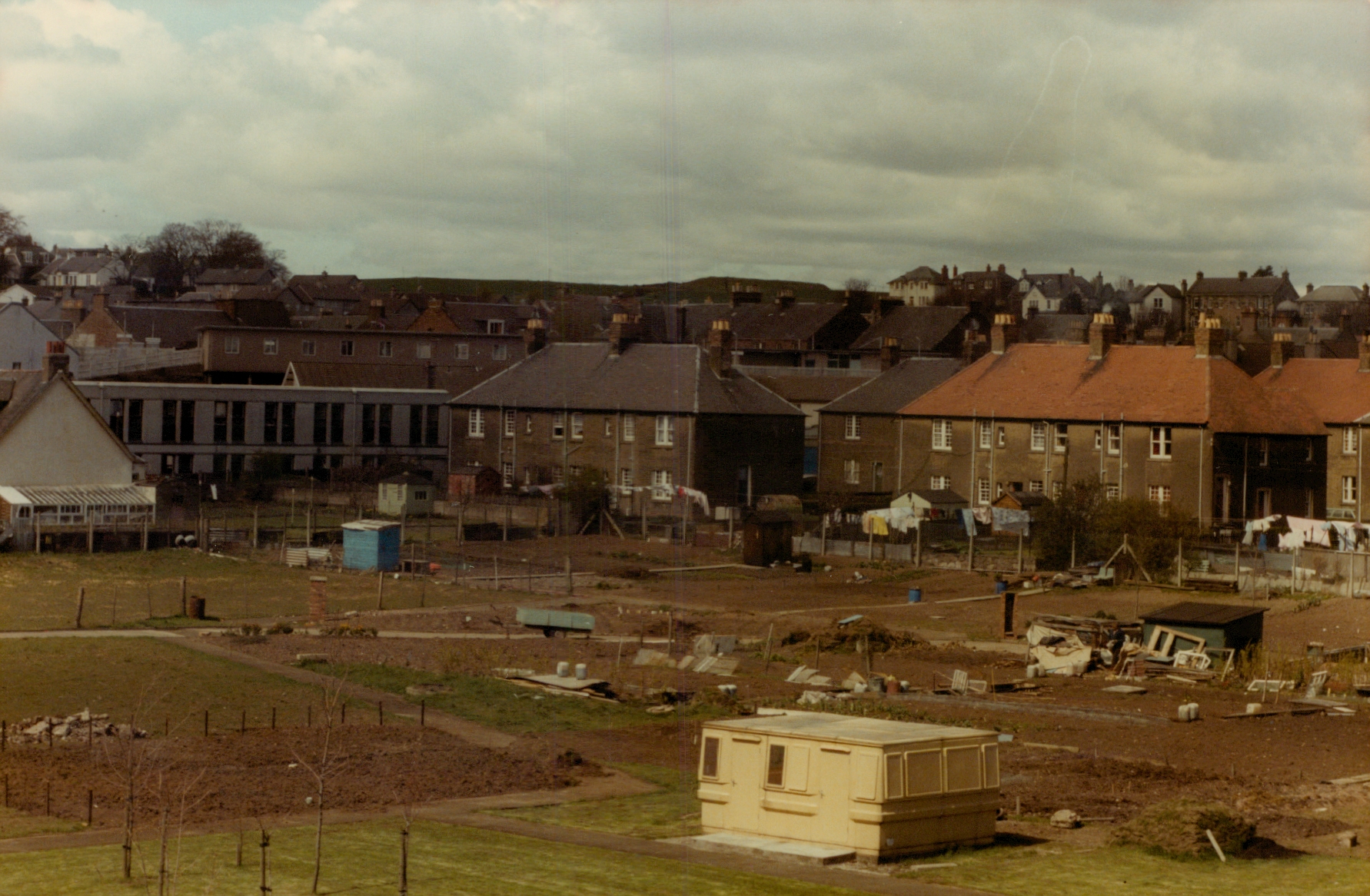

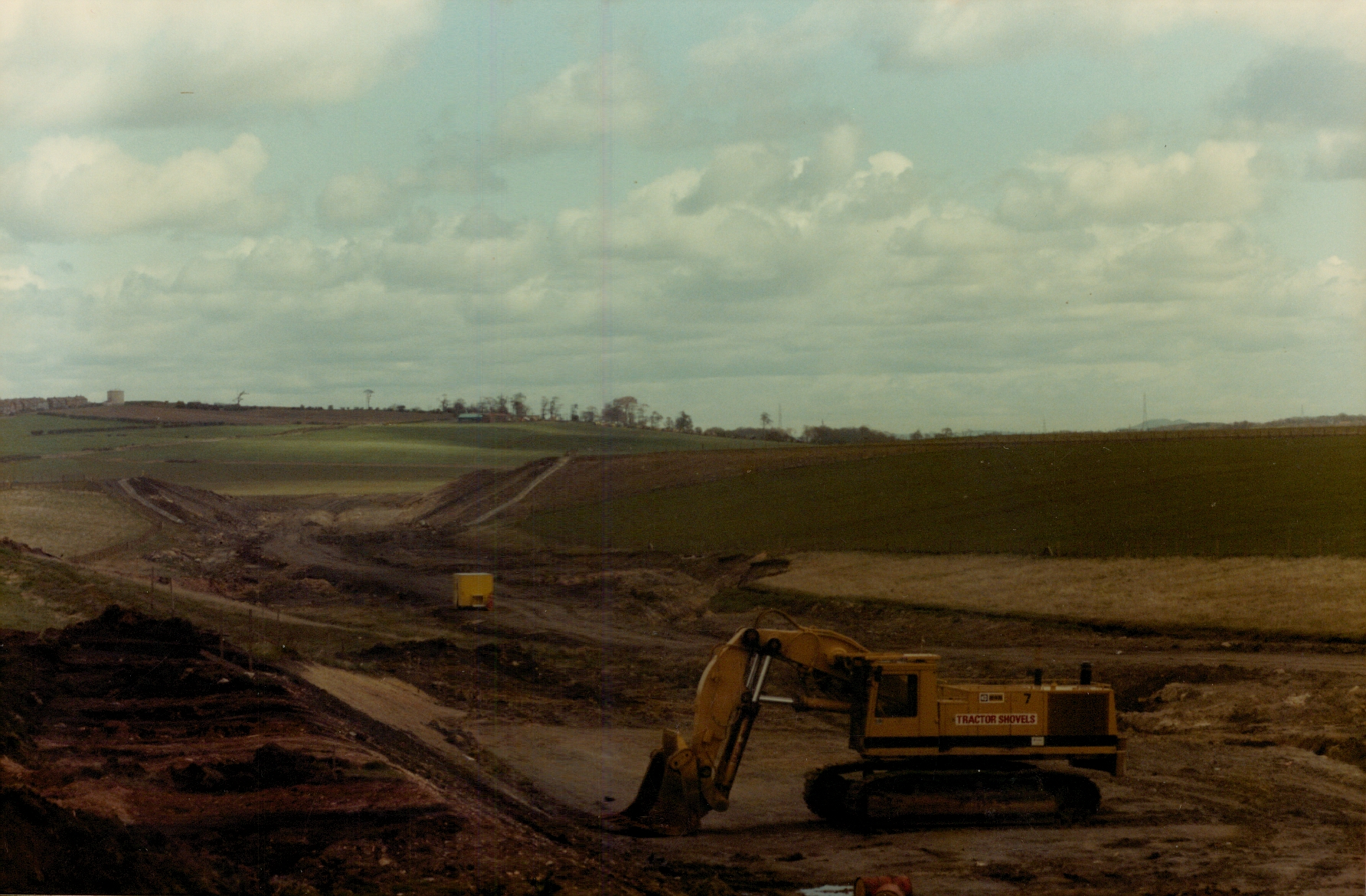


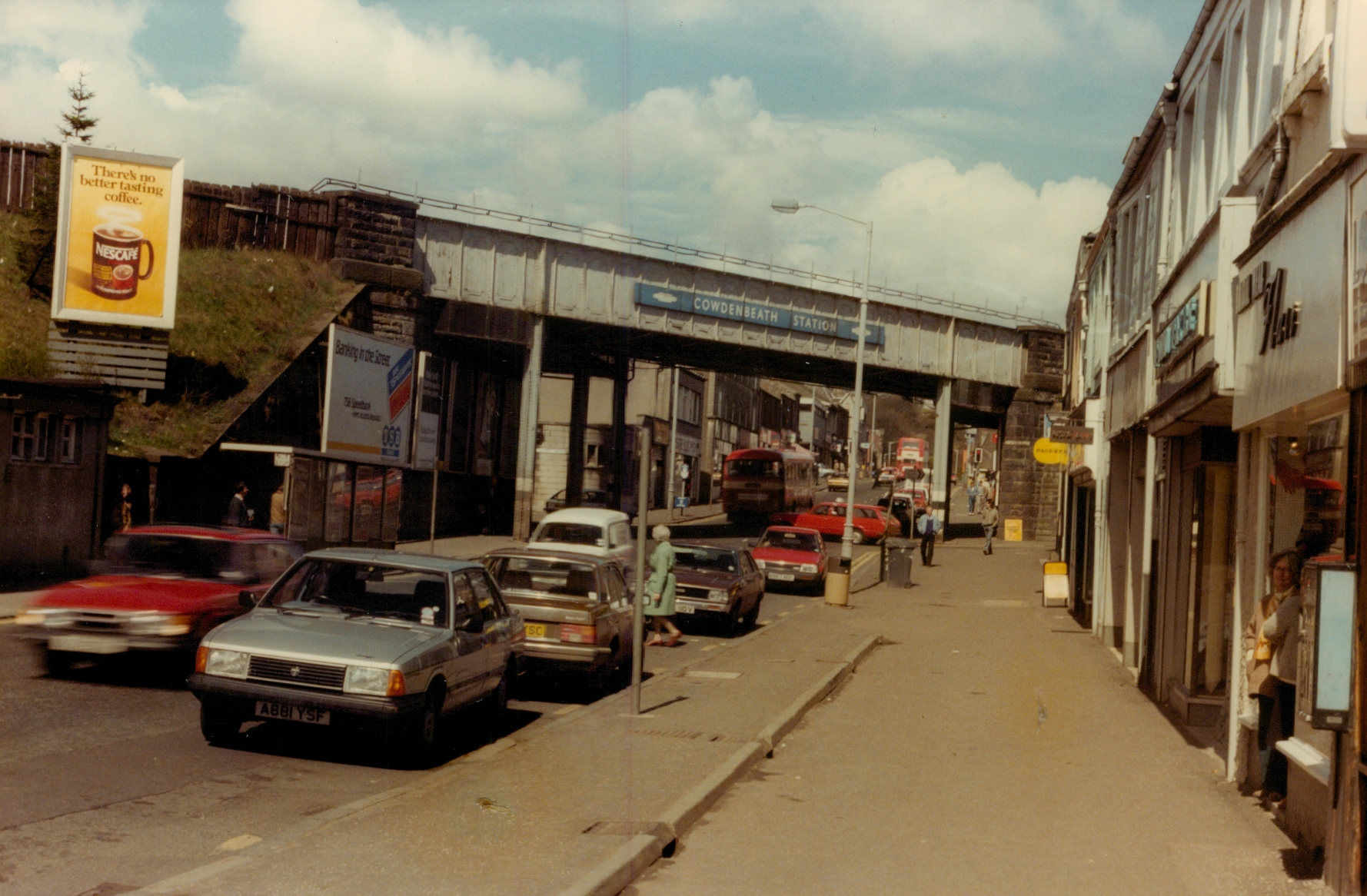
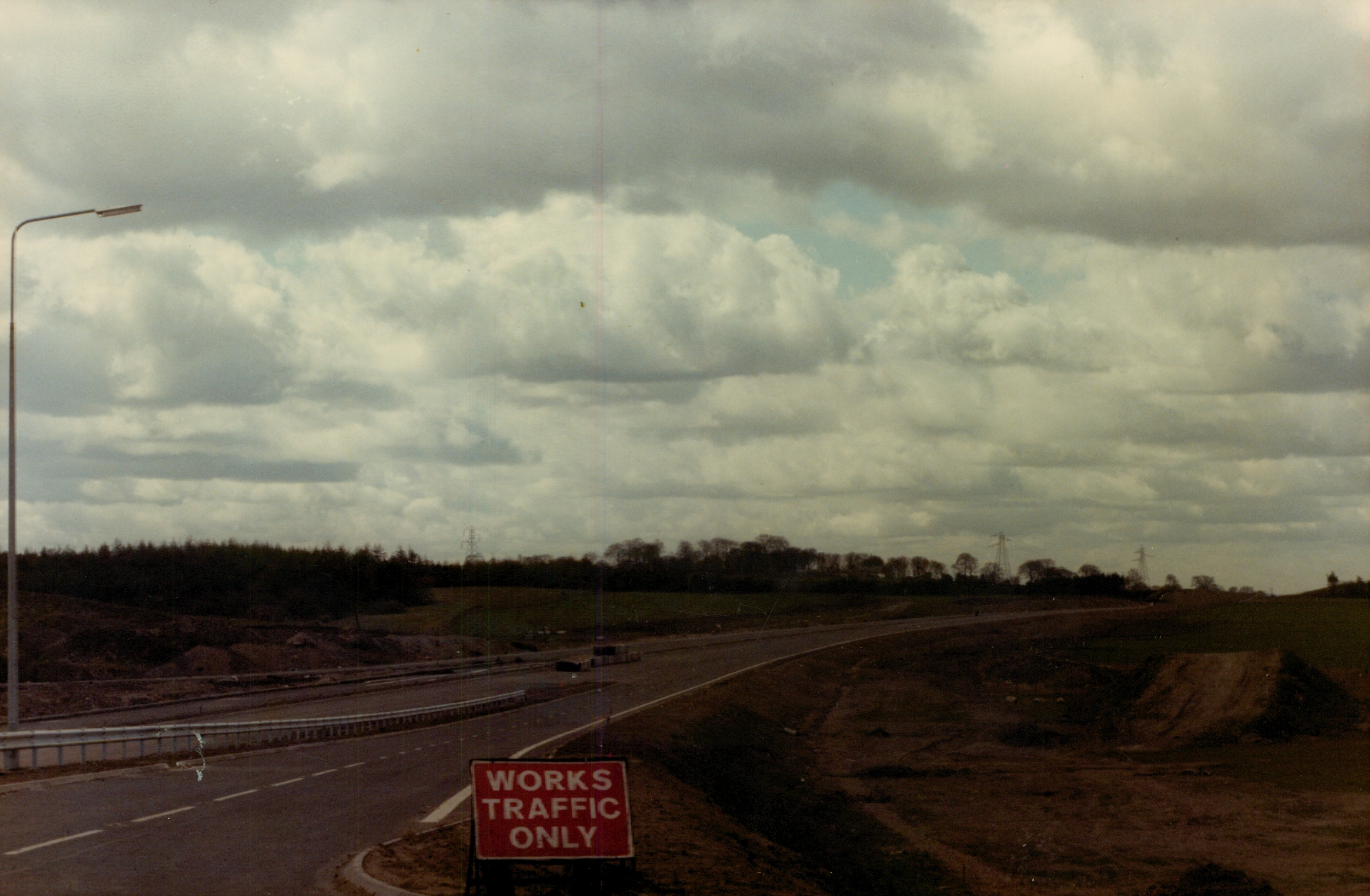




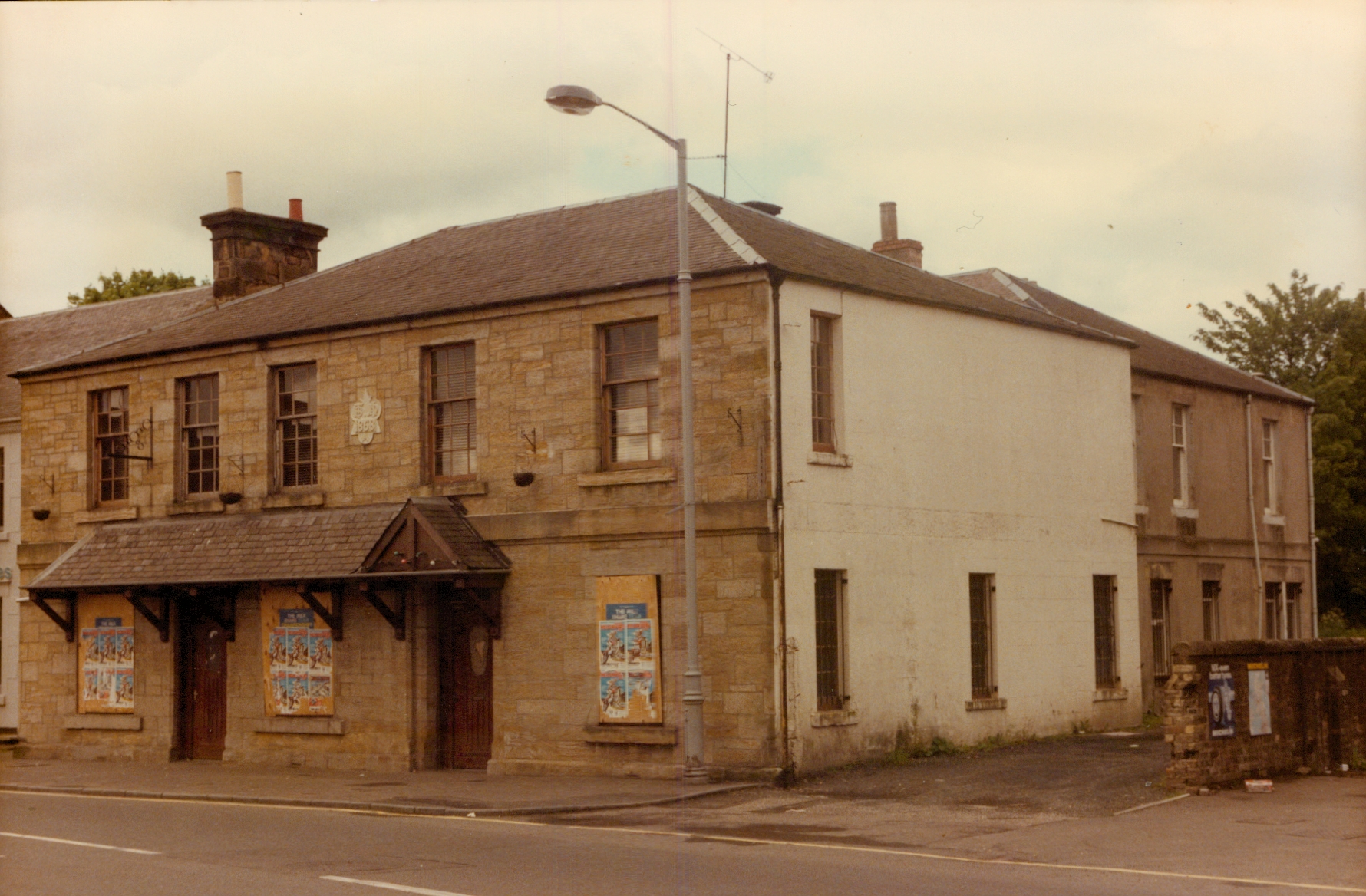


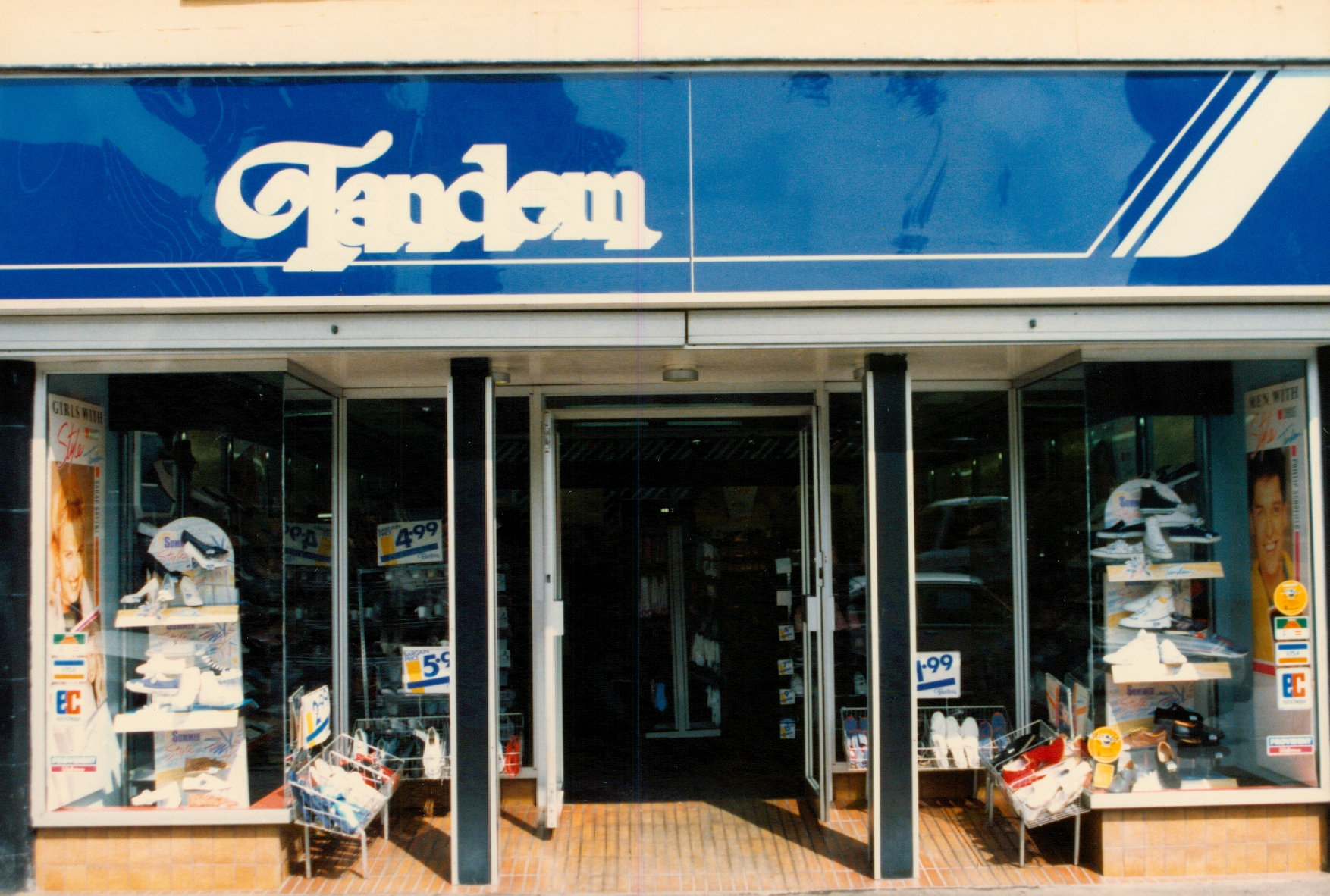

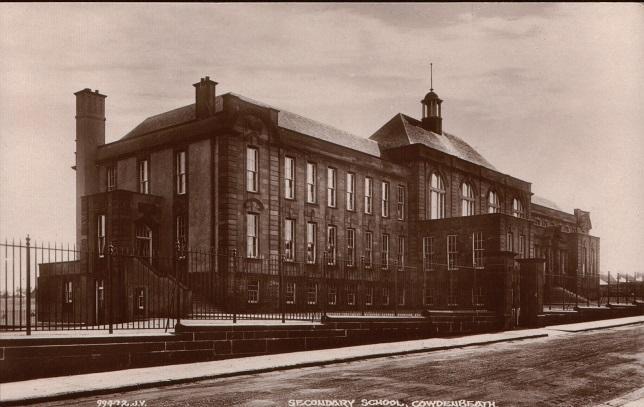
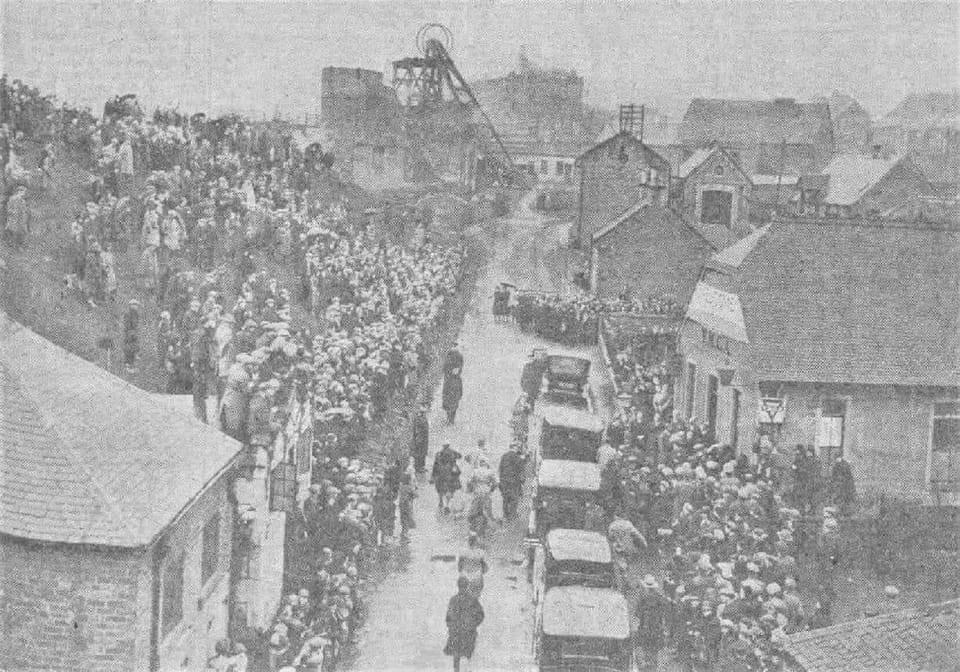
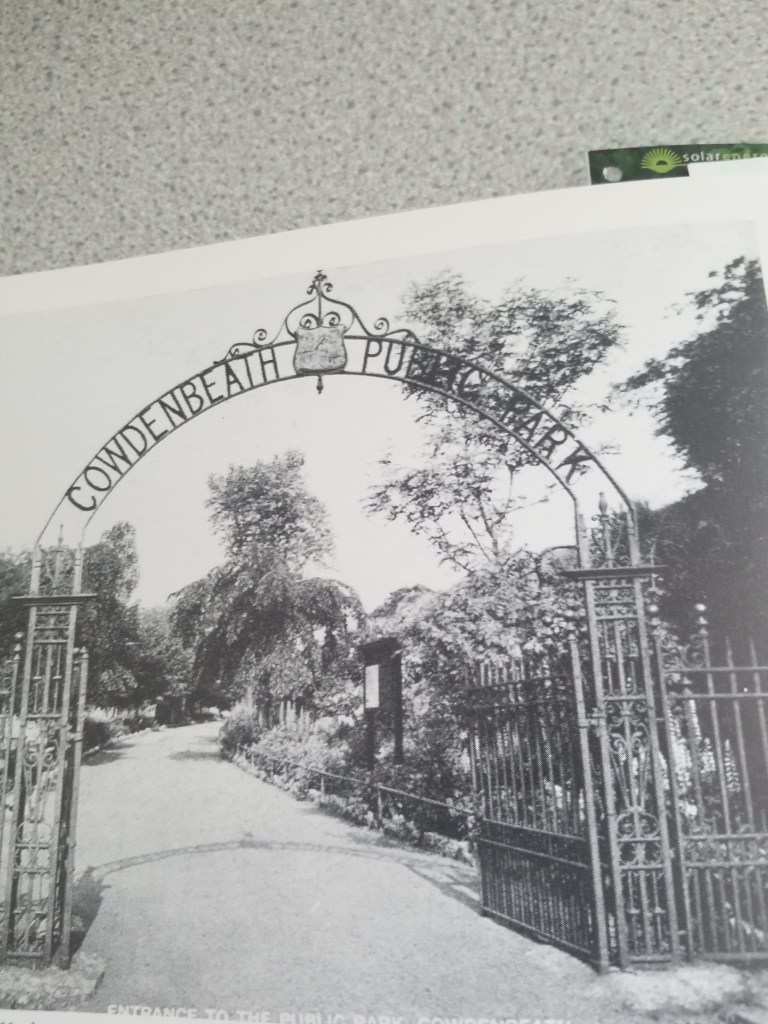
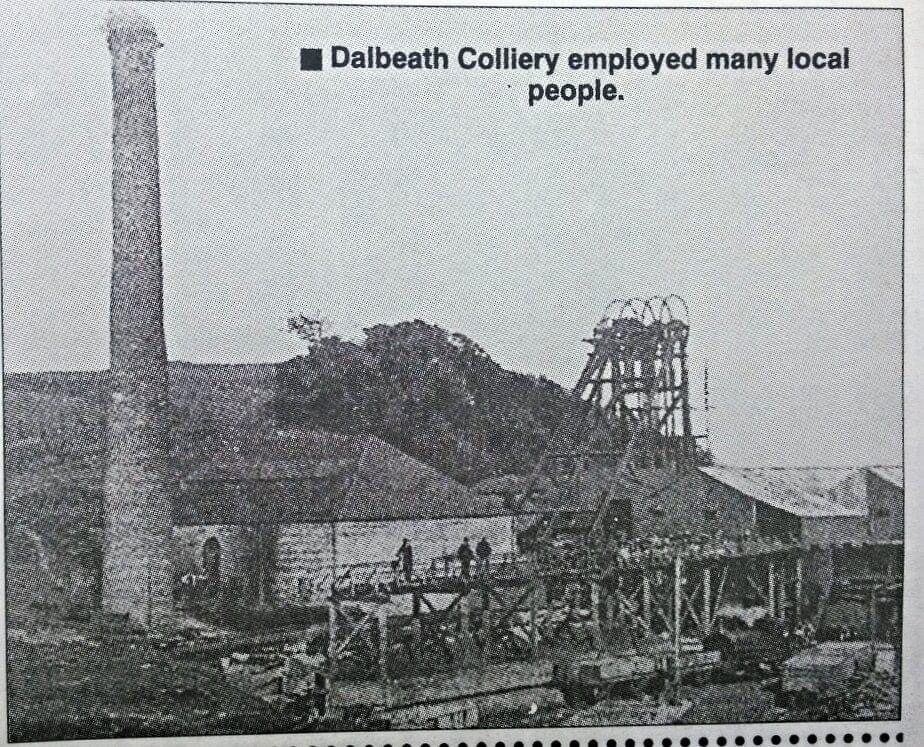
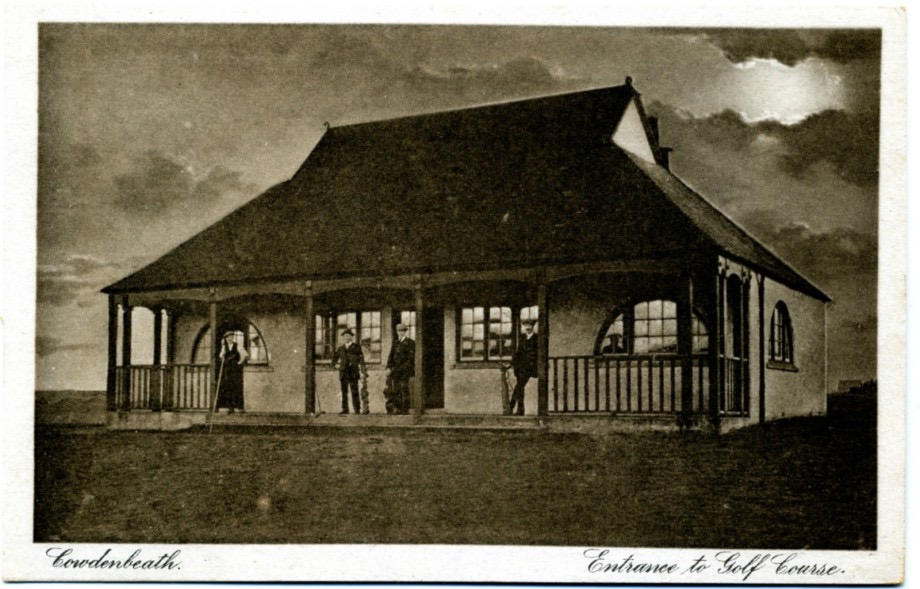
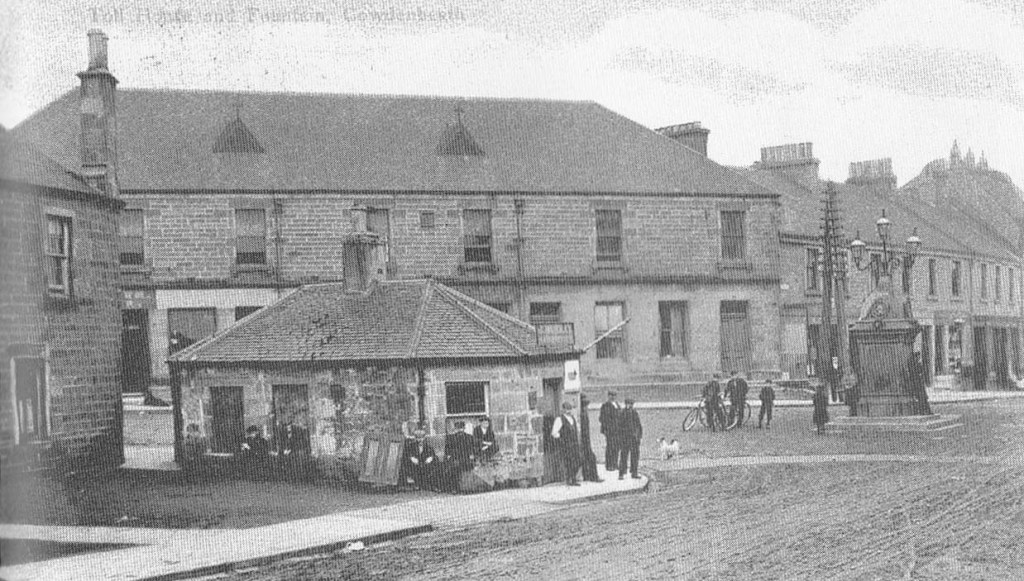
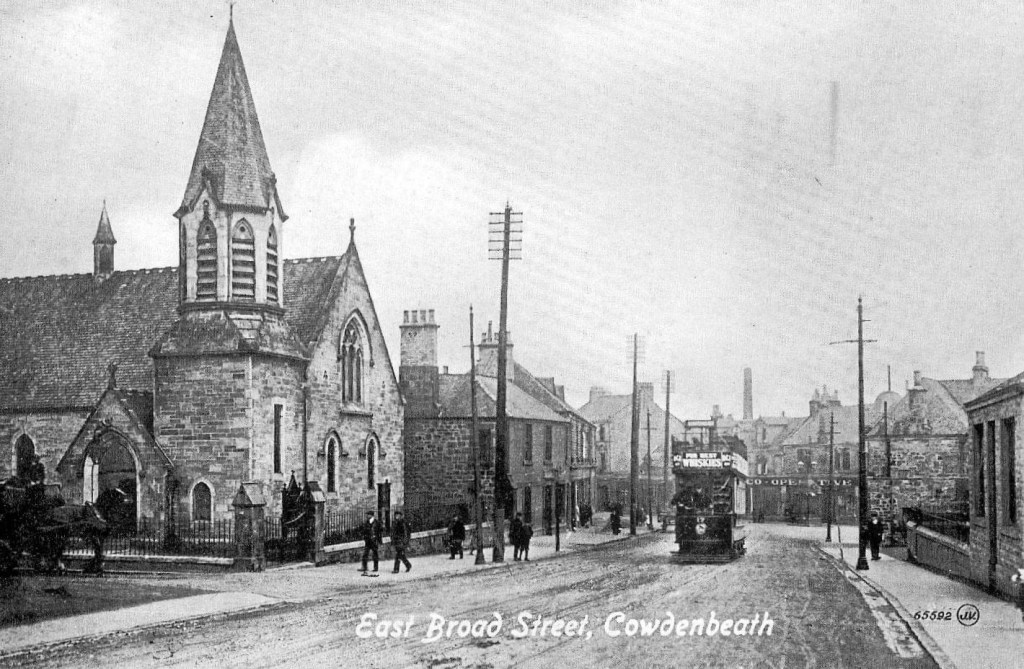
Old Cowdenbeath
(pic credit: Cowdenbeath Past & Present group)


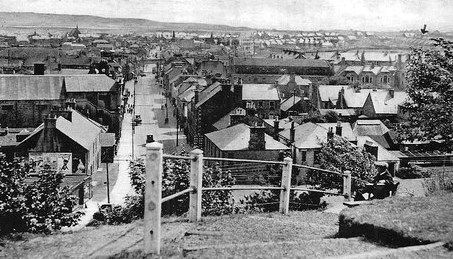







A short history of Cowdenbeath
Founded as a burgh in 1890, Cowdenbeath was once known as the ‘Chicago of Fife’ due to its booming population when mining began around the town.
But for hundreds of years before this, people were living in and around Cowdenbeath making a living off the land. The archaeologist A.D. Lacaille produced an article in 1928 which detailed the discovery of Bronze Age vessels which contained human remains, found near what is now known as ‘Tollie Hill’ in Lumphinnans.
The original Beath Kirk was established as a parish church in 1429, but it wasnt until a new church was constructed in the parish around 1640 that the area grew in significance, and in 1643 the Rev. John Row of Carnock separated the Parish of Beath from its neighbour Dalgety Bay and Aberdour.
The present Beath Kirk, now a private residence, overlooks Beath Cemetery and Beath High School in a prominent position to the North West of the town.
The Blakey Atlas of Scotland, published in 1654, refers to ‘Cowden Beth’ although no formal records of how the town came to be called Cowdenbeath actually exist.
By 1790 records show around 100 families were living in the area and by 1820 the town was a useful stop on the busy coaching route between Edinburgh and Perth. Queen Victoria’s horses were changed at the Cowdenbeath Coaching Inn on her first trip to Scotland in 1842.
By 1850 a collection of farms within the growing parish divided the area into four, districts named after prominent farms in the area – Kirkford, Foulford, White Threshes and Cowdenbeath.
The arrival of the Oakley Iron Company then sealed the town’s fate as synonymous with mining for the next 100 years. It was only when shafts were sunk for iron ore, that miners discovered coal seams which would become known as the ‘black gold’.
Soon pits had been sunk all around the areas we now know as Kelty, Lochgelly, Donibristle, Fordell and Hill of Beath, with several across the main urban centre of Cowdenbeath.
As pits grew and the fortunes of their mine operators fluctuated, coal companies were formed and then consumed by larger companies, before the Fife Coal Company owned most of the local pits by 1896.
The growth of mining in the town was so great, and the infrastructure needed to support the miners and their families like shops, housing, schools and pubs, that Cowdenbeath was dubbed ‘The Chicago of Fife’ when the population doubled from 4,000 to 8,000 between 1890 and 1900. Just some 80 years earlier, the population had been just 120.
The mines continued to dominate the town for much of the early 1900’s, with the establishment of the Fife Mining School, the Mines Rescue Station, the Central Works (known as the Workshops) and the headquarters of the Fife and Kinross Miners Association based in the town by 1924.
A new Fife Mining School was erected in 1936 on the site of the former Woodside House villa on Broad Street. However as mining coal became more popular across the world, the comparative cost was too high for many coal companies to compete. The mining school closed in 1976. The site is now a care home and the mining school gymnasium was still used until 2016 as Broad Street Community Centre.
By 1988 work had begun to reclaim the areas abandoned by mining, now to be used for leisure! The site of the Dora Coal mine would become Cowdenbeath’s 9-hole Dora Golf Course in 1991 and extended to 18-holes in 1996.
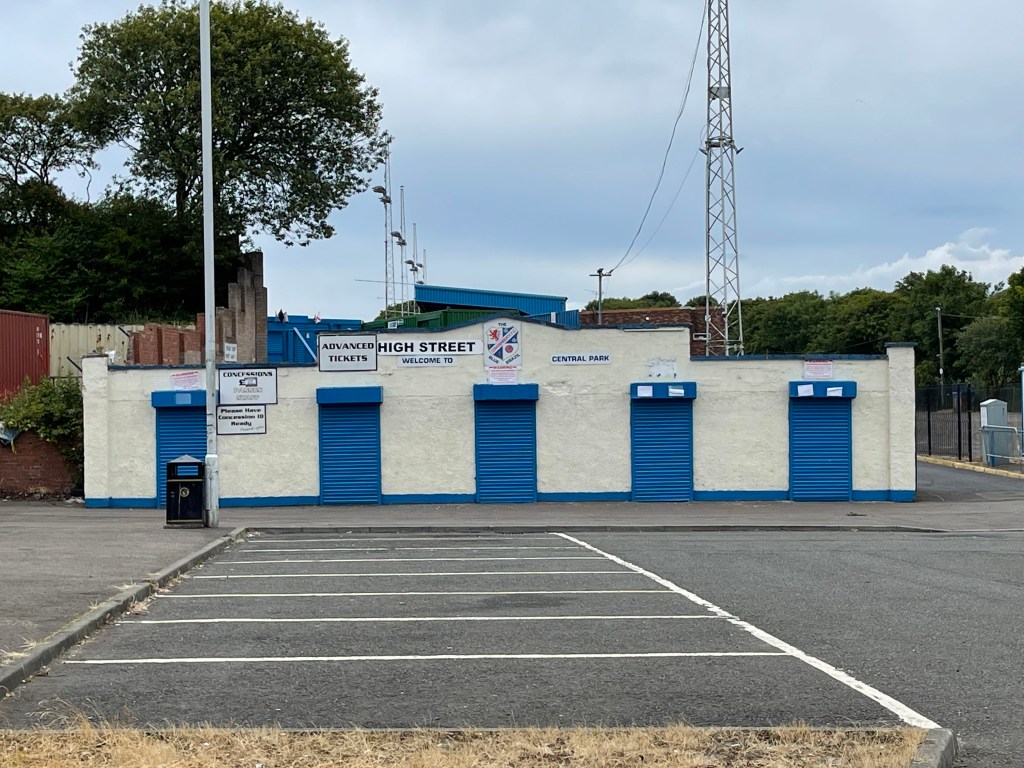
Our town’s infamous football club Cowdenbeath F.C. (nicknamed the Blue Brazil) has seen mixed fortunes through the years. The club was established in 1881 when the town’s population boomed, and they competed in top flight football between 1924 and 1934, and again in the 1970-71 season. Fluctuating performance doesn’t dent the support of Cowden’s loyal fans though, with a strong community base since its formation over 130 years ago. It’s Central Park stadium became home in 1917 and was for decades encircled by railways carrying coal from around the many pits in the area, with the railways now making way for large open green spaces which connect western neighbourhoods with the town centre.
Central Park is also the home of Scottish stock car racing at The Racewall! The oval track, which surrounds the football pitch, has been home to stock car racing since 1970. The town becomes home to motor sport enthusiasts from all over the UK, with Saturday evening racing attracting thousands of people to the town to witness the thrills of high speed oval circuit racing. The track regularly plays host to Scottish, UK and World championship races across a number of different vehicle types, including the madness of banger racing!
 My Cowdenbeath CIC